
TL;DR

Get backup power and energy gear delivered free with Prime
- Fast, free delivery on millions of items
- Prime Video, Amazon Music and more included
- Member-only deals all year
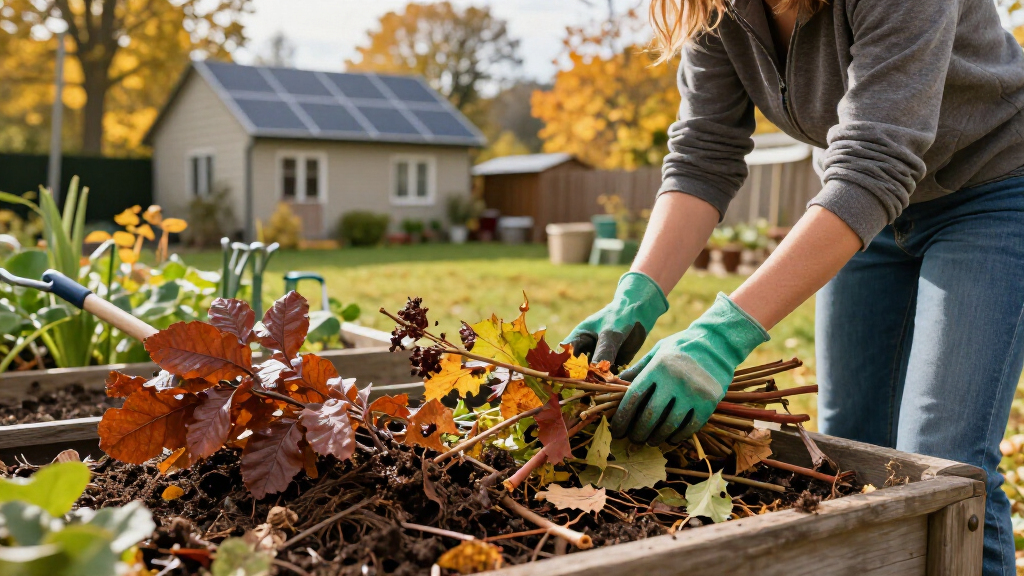
A report by Ideal Home outlines five ways gardeners can reuse autumn plant clippings: make leaf mould, chop and drop suitable stems, create wildlife habitat, add appropriate material to compost, and use clippings as mulch. The advice is expert guidance, not a new scientific study; unsuitable material and thick layers of wet grass can cause problems.
Ideal Home has outlined five ways gardeners can put autumn plant clippings to use, including making leaf mould, adding suitable material to compost and creating habitat for wildlife. The advice from horticultural and gardening experts offers alternatives to disposing of clippings, while warning that diseased plants, weeds and thick layers of wet grass should be handled carefully.
The first suggested use is leaf mould, made from leaves gathered during pruning deciduous plants. Richard Barker, a horticultural expert and commercial director of LBS Horticulture, advises putting the leaves in a black bag with air and drainage holes, loosely tying it and leaving it to decompose. He says it can take about a year; finished leaf mould should be dark, soft and crumbly, and can be used as mulch or mixed into compost.
A second option, known as “chop and drop,” is to cut suitable spent perennial stems and foliage into smaller pieces and leave them on the soil in borders. Melissa Quinney, a gardening expert at Cabin Master, says the material will break down over winter, feeding the soil and offering shelter to beneficial insects. The source does not specify which plants or garden conditions are suitable for every border, so gardeners should use judgement rather than leave material that is diseased or likely to spread.
Clippings can also be left in selected piles or hollow stems to provide winter shelter for insects, Barker says. For compost, Quinney recommends soft stems, spent flowers and grass cuttings, while advising against perennial weeds, diseased material and plants that have gone to seed. The fifth use is mulching: spreading a thin layer of suitable clippings around plants. Barker cautions that fresh, wet grass should not be piled over plant crowns because it can become slimy, restrict air and contribute to stem rot.
Less Garden Waste, More Soil Support
Reusing suitable clippings can reduce the amount of garden material sent away and return organic matter to beds, borders and compost. Leaf mould and compost can be used later as soil amendments, while chopped plant material and mulch can cover soil as it breaks down. The wildlife suggestion also shows that some untidy-looking material can provide seasonal shelter for insects.
These are practical recommendations rather than measured outcomes: the source does not report trials comparing the methods or quantify effects on soil, wildlife or plant growth. Results will depend on the clippings, local conditions and how the material is managed. The key point is to reuse appropriate material without spreading weeds or disease, or smothering plants with wet grass.
As an affiliate, we earn on qualifying purchases.
Five Uses for Autumn Prunings
The advice appears in an Ideal Home report about what to do with clippings after autumn pruning. Its premise is that leaves and stems left over from cutting back shrubs, trees, hedges and perennials need not automatically be treated as waste. The five options are leaf mould, chop and drop, wildlife habitat, compost and mulch.
The methods serve different purposes and have different timelines. Leaf mould may need around one year to mature, according to Barker. Chopped stems left on borders and material in compost decompose over time; Quinney says turning a compost heap occasionally and keeping it moist can speed the process. Mulching is a more immediate use, but the layer should be thin and appropriate to the plants being covered.
““You can use fallen or clipped leaves in your garden to make leaf mould.””
— Richard Barker, horticultural expert and commercial director of LBS Horticulture
Which Clippings Are Suitable?
The report offers general guidance but does not list every plant that can safely be chopped, composted or used as mulch. It also does not provide specific advice for local climates, soil types or individual plant needs. Gardeners should keep diseased material and perennial weeds out of compost, as Quinney advises, and avoid spreading plant material that may contain pests or seeds.
The source does not give a measured estimate of how much waste the methods divert or how much they improve soil or support wildlife. The benefits are presented as expert guidance, not as quantified results. It is also not clear whether every garden has a suitable place to leave piles of clippings or hollow stems through winter.
Putting the Advice Into Practice
After pruning, gardeners can sort clippings by type and condition: collect deciduous leaves for leaf mould, use suitable healthy stems for a border or wildlife pile, and add appropriate soft material to the compost heap. Keep unsuitable weeds and diseased plants out of the compost, and use only a thin layer of clippings as mulch, particularly avoiding thick coverings of fresh, wet grass around plant crowns.
Leaf mould will take time to mature, while compost and chopped material will break down over the coming months. The source does not name a follow-up study or scheduled update; the next practical step is to monitor the materials over winter and use finished leaf mould or compost when ready.
Key Questions
What are five ways to reuse garden clippings in autumn?
The five options are making leaf mould, chopping suitable stems and leaving them on borders, creating wildlife shelter, adding appropriate material to compost, and using clippings as mulch.
How long does leaf mould take to make?
Richard Barker says bagged leaves with air and drainage holes should be left to decompose for about a year. Finished leaf mould should be dark, soft and crumbly.
Which garden clippings should not go in compost?
Melissa Quinney advises keeping out perennial weeds, diseased material and plants that have gone to seed, as they can cause problems later.
Can fresh grass clippings be used as mulch?
They should not be packed thickly over plant crowns. Richard Barker warns that wet grass can become slimy, restrict air and contribute to stem rot. The advice is to use a thin layer of suitable clippings instead.
Source: rss
Halloween Picks
halloween
As an affiliate, we earn on qualifying purchases.