
TL;DR
Solar backup generators harness sunlight to store energy in batteries, offering a silent, eco-friendly alternative to gas generators. They can power essentials for hours or days, depending on system size and sunlight. Advances in batteries and smart tech make them more reliable and affordable than ever.
Imagine a blizzard knocking out your power for days. No heat, no lights, no Wi-Fi. Now, picture a sunny morning—your solar panels soak up rays, your batteries store enough energy to keep your fridge cold, your lights on, and your phone charged. That’s the promise of solar-powered backup generators.
They’re not just gadgets for off-grid cabins anymore. These systems are transforming how homes and small businesses stay resilient. But what exactly makes them tick? How do they compare with traditional gas generators? And are they worth the investment? You’ll find all that out here—no fluff, just real-world info to make your energy choices smarter.
A well-designed solar backup system can power your critical appliances for days, even in cloudy weather, if properly sized.
Advances in battery tech and smart monitoring make solar backups more reliable and easier to manage than ever before.
Proper system sizing—matching panels, batteries, and loads—is key to avoid power shortfalls during extended outages.
Hybrid setups combining solar with grid or small wind sources can extend backup durations and improve reliability.
Though initial costs are higher, the long-term savings and environmental benefits make solar backup generators a smart investment.
What exactly are solar-powered backup generators and how do they work?
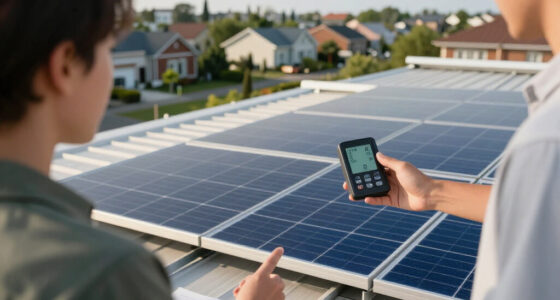
Solar-powered backup generators are systems that use solar panels to generate electricity, which is then stored in batteries for later use. Think of them like a hybrid car: solar panels are the engine capturing sunlight, batteries are the fuel tank storing energy, and an inverter turns that stored energy into usable power for your home.
For example, a typical setup includes a 5 kW solar array, a high-capacity lithium-ion battery bank, and a smart inverter. During the day, sunlight hits the panels, generating power. Excess energy charges the batteries. When the grid goes down or the sun sets, the stored energy kicks in, keeping your essentials running.
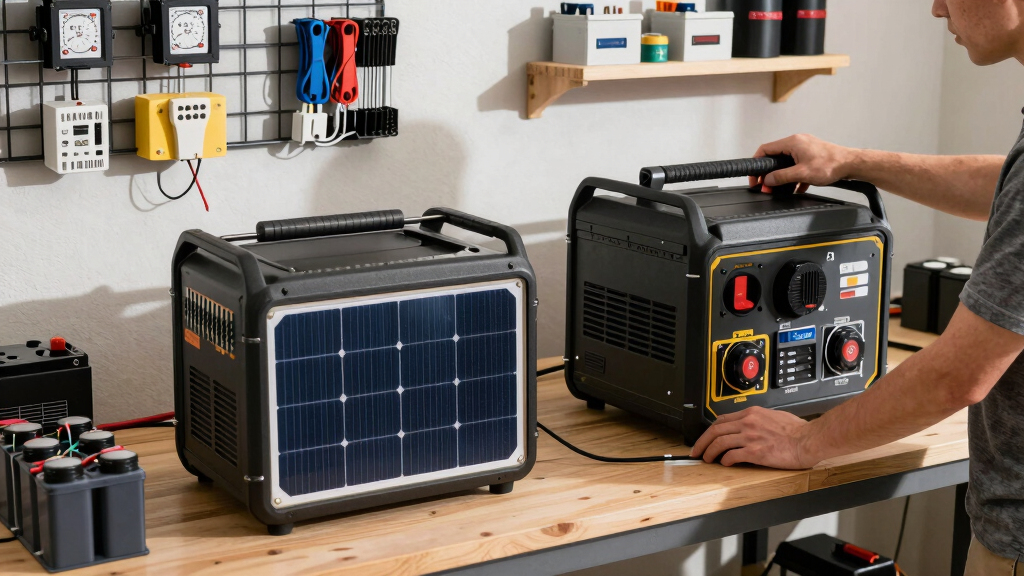
Unlike traditional gas generators that burn fuel loudly and emit fumes, solar backups operate silently, with no fumes or fumes, just the gentle hum of electronics and the quiet hum of the inverter. They’re designed to supply power for critical appliances—fridge, lights, communication devices—during outages, providing peace of mind without the smell of gasoline or the noise pollution.
As an affiliate, we earn on qualifying purchases.
Why solar backup generators are a game-changer for your home and wallet
Switching to solar backup generators means embracing a renewable, cost-effective way to stay powered during outages. They eliminate fuel costs—an average gas generator burns about a gallon every 8 hours, costing around $4-$6 per hour. Solar systems, once installed, run on free sunlight, slashing ongoing expenses.
Plus, solar backup systems are silent and emission-free. Imagine your neighbor’s traditional gas generator roaring through the night, filling the neighborhood with fumes, while your solar backup quietly keeps your home cozy, with no pollution. That’s a huge advantage for your family’s health and the environment.
Recent advances in battery tech mean you can store enough energy to last through multi-day outages. A well-designed 10 kWh system might power your fridge, Wi-Fi, and essential lights for 2–3 days without sunlight. And with smart monitoring, you can check system health remotely, ensuring everything runs smoothly when you need it most.
What are the biggest limits of solar backup generators—and how to work around them?
Solar backup generators depend on sunlight to recharge, which is a fundamental limitation because sunlight availability varies throughout the day and year. Cloudy days, shorter winter days, and shaded roofs can significantly reduce energy production, often by 30-50%. This means your system might not generate enough power precisely when you need it most, such as during prolonged outages or winter storms.
Battery capacity is another critical factor. Batteries are finite resources; most lithium-ion types last 10–15 years but can only store a certain amount of energy. When your power demands exceed your stored capacity, your backup duration shortens, potentially leaving you vulnerable during extended outages. This creates a tradeoff between initial investment and reliability—bigger batteries cost more but provide longer backup time.
To mitigate these limitations, hybrid systems combine solar with other sources of backup power, like small grid connections or portable generators, offering flexibility and redundancy. Proper system sizing—adding extra panels or larger batteries—ensures critical loads are met even during less-than-ideal conditions. Regular maintenance, such as cleaning panels and checking batteries, maximizes efficiency and longevity, ensuring your system performs optimally when it counts most.
How to pick the right solar backup system for your needs
Choosing the right solar backup generator starts with understanding your energy needs. List all essential devices—fridge, Wi-Fi, lights, medical equipment—and estimate their total wattage. For example, a typical fridge uses about 150W, Wi-Fi router around 10W, and LED lights 10W each.
Next, determine how long you want backup power—hours or days. If your fridge needs to run 24 hours, you’ll need enough stored energy to cover that. A 10 kWh battery can power a 150W fridge for roughly 66 hours if no other loads are added. Add in lighting and other essentials, and you’ll need a bigger system.
Follow these steps:
- Calculate total wattage of essential devices.
- Decide on backup duration.
- Select solar panels to generate sufficient daily energy—typically, 1 kW panels produce about 4 kWh/day in optimal sunlight.
- Choose a battery capacity that covers your needs, factoring in days with less sunlight.
- Work with a professional installer to size and configure the system correctly.
How solar backup generators compare to traditional gas units
| Feature | Solar Backup Generators | Traditional Gas Generators |
|---|---|---|
| Operation Noise | Very quiet, almost silent | Loud, often over 70 dB |
| Fuel Cost | None after initial purchase | Ongoing, about $4-$6/hour |
| Emissions | None during operation | Produces fumes and CO2 |
| Maintenance | Minimal, mostly system checks | Regular oil, filter, and fuel maintenance |
| Initial Cost | $5,000–$20,000 depending on size | $1,000–$3,000 for basic units |
While the upfront cost for solar systems is higher, their operating costs are near zero, and they’re cleaner and quieter. Gas units remain cheaper initially but can rack up fuel and maintenance costs over time. The tradeoff involves balancing upfront investment against long-term savings and environmental impact—solar may cost more initially but pays off over years through lower operating costs and sustainability benefits.
Frequently Asked Questions
How much do solar-powered backup generators cost?
Prices range from around $3,000 for small portable units to over $20,000 for large, whole-house systems. The cost depends on system size, capacity, and features like smart monitoring or hybrid options.
Can solar backup generators power my entire house?
Yes, with sufficient capacity and proper sizing, they can run your essential circuits or even your whole house. It’s best to consult a professional to determine your energy needs and design a system accordingly.
How long do batteries last, and how often do I need to replace them?
Most lithium-ion batteries last 10–15 years with proper maintenance. Their lifespan depends on usage, environmental conditions, and system quality. Regular checks help maximize their longevity.
Are solar backup generators environmentally friendly?
Absolutely. They produce no emissions during operation and rely on renewable solar energy, making them a sustainable, eco-friendly backup solution.
What maintenance do these systems require?
Minimal—mainly periodic cleaning of solar panels, checking battery health, and ensuring system components are functioning properly. Professional inspections once a year are recommended for longevity and reliability.
Conclusion
If you want a quiet, eco-friendly way to keep your home running when the grid fails, a solar-powered backup generator is worth considering. With the right design, it can become your personal power shield—sustainable, silent, and dependable.
Picture your home basking in sunlight, the batteries quietly storing energy, ready to light up your life whenever needed. That’s not just smart—it’s a glimpse into a cleaner, more resilient future for your family.