
Key Takeaways
- The Condar FlueGard™ offers the highest accuracy, especially for double wall pipes, but comes at a higher price.
- Stanbroil provides an easy-to-read, affordable solution ideal for beginners with straightforward installation.
- Copkim’s set includes multiple thermometers, making it versatile but less precise than high-end models.
- Material quality and sensor response time are key factors influencing durability and performance.
- Choosing between single wall and double wall pipe compatibility is critical for correct measurement.
| Condar FlueGard™ Thermometer (3-39) |  | Most Precise Readings for Double Wall Pipe | Temperature Range: up to 1700°F | Stem Length: 4 inches | Display: Analog with color zones | VIEW LATEST PRICE | See Our Full Breakdown |
| Stanbroil Magnetic Wood Stove Pipe Thermometer |  | Best for Beginners and Budget-Friendly Use | Temperature Range: 100-700°F | Display Type: Analog dial | Mounting: Magnetic | VIEW LATEST PRICE | See Our Full Breakdown |
| Copkim 4 Pcs Wood Stove Thermometer |  | Versatile Set for Multiple Stove Types | Temperature Range: 100-900°F | Number of Pieces: 4 | Display: Large dial with needle | VIEW LATEST PRICE | See Our Full Breakdown |
More Details on Our Top Picks
Condar FlueGard™ Thermometer (3-39)
This thermometer excels in providing highly accurate readings on double wall pipes, thanks to its specialized three-layer probe with a steel core and copper cladding. Compared with budget models, it offers more precise temperature readings up to 1700°F, making it ideal for serious stove owners or professionals. Its durable porcelain enamel finish and American-made construction ensure long-lasting performance, although its higher cost and installation requirements (a ¼ inch hole) may deter casual users. The clear color-coded zones help quickly interpret temperature ranges, but it’s less suitable for those with only single wall pipes or casual use.
Pros:- Exceptional accuracy for double wall pipes
- Durable porcelain enamel finish
- Made in the USA with high-quality materials
- Displays in both Fahrenheit and Celsius
Cons:- Requires a ¼ inch hole for mounting
- Higher price point
- Limited suitability for single wall pipes
Best for: Professional stove operators or homeowners seeking maximum accuracy on double wall pipes
Not ideal for: Beginners or those with only single wall pipes due to installation complexity and cost
- Temperature Range:up to 1700°F
- Stem Length:4 inches
- Display:Analog with color zones
- Material:Porcelain enamel on steel
- Response Time:0.5 seconds
- Power:Manual, no batteries
Bottom line: The Condar FlueGard™ is best suited for those prioritizing precision and durability on double wall piping, despite its higher price.
Stanbroil Magnetic Wood Stove Pipe Thermometer
This model offers a simple, reliable reading from 100 to 700°F, making it perfect for those new to stove operation. Its magnetic back allows for quick, damage-free placement on single wall pipes, and the large dial enhances readability. Compared to the Condar, it’s less precise but more affordable and easier to install, which appeals to casual users or those with limited technical skills. The durable aluminum and brass components ensure long-term use, yet it’s limited to single wall pipes and doesn’t measure beyond 700°F, which might be a drawback for high-temperature applications.
Pros:- Affordable and easy to install
- Magnetic attachment for convenience
- Large, easy-to-read dial
- Durable materials
Cons:- Limited to single wall pipes
- Temperature range capped at 700°F
- Less precise than high-end models
Best for: Homeowners seeking an affordable, easy-to-install thermometer for basic stove monitoring
Not ideal for: Professionals or users with high-temperature or double wall pipes needing precise measurements
- Temperature Range:100-700°F
- Display Type:Analog dial
- Mounting:Magnetic
- Materials:Aluminum, brass
- Response Time:Fast
- Power Source:Manual
Bottom line: Stanbroil’s thermometer makes sense for those starting out or on a budget, but isn’t suited for high-temperature or professional needs.
Copkim 4 Pcs Wood Stove Thermometer
This set provides four thermometers with a broad measurement range from 100 to 900°F, suitable for various stove types including wood, gas, and pellet stoves. Its large dial with bright needle ensures quick visibility from a distance, and the magnetic back simplifies attachment to most surfaces. Compared with single-piece models, this package offers excellent value and versatility, but it’s less precise than high-end models like the Condar. Its broad range makes it a good general-purpose choice, especially for users managing multiple stove types, though it may sacrifice some accuracy for its wide coverage.
Pros:- Complete 4-piece set for multiple applications
- Wide temperature range (100-900°F)
- Bright, easy-to-read needle
- Magnetic attachment and hook options
Cons:- Less precise than specialized high-end models
- Bulkier with four thermometers
- Potentially less durable over time
Best for: Multi-stove owners or those seeking a cost-effective, flexible solution
Not ideal for: Professionals needing pinpoint accuracy or single-purpose use
- Temperature Range:100-900°F
- Number of Pieces:4
- Display:Large dial with needle
- Materials:Aluminum, brass
- Mounting:Magnetic and hook
- Response Time:Fast
Bottom line: Copkim’s set offers excellent versatility and value for multi-stove users, with acceptable accuracy for general monitoring.

How We Picked
Our selection process focused on the primary factors that influence a flue thermometer’s performance and suitability. We prioritized accuracy, durability, ease of installation, and price. We reviewed products designed for different stove configurations—single wall, double wall, and multi-piece sets—to cover a broad range of user needs. User reviews and expert engineering input guided our choices, ensuring each pick balances tradeoffs effectively. We also evaluated construction materials, response times, and measurement ranges to identify the best overall options for 2026.Factors to Consider When Choosing Best Flue Thermometer
Selecting the best flue thermometer depends on your stove type, performance needs, and budget. Key factors include measurement accuracy, material durability, installation ease, and temperature range. Understanding your specific stove configuration—single wall or double wall—should guide your choice, as some thermometers are designed specifically for certain setups. Additionally, consider response time and display clarity to ensure you get real-time, easy-to-read results that help optimize stove performance and safety.Understanding Your Stove and Pipe Type
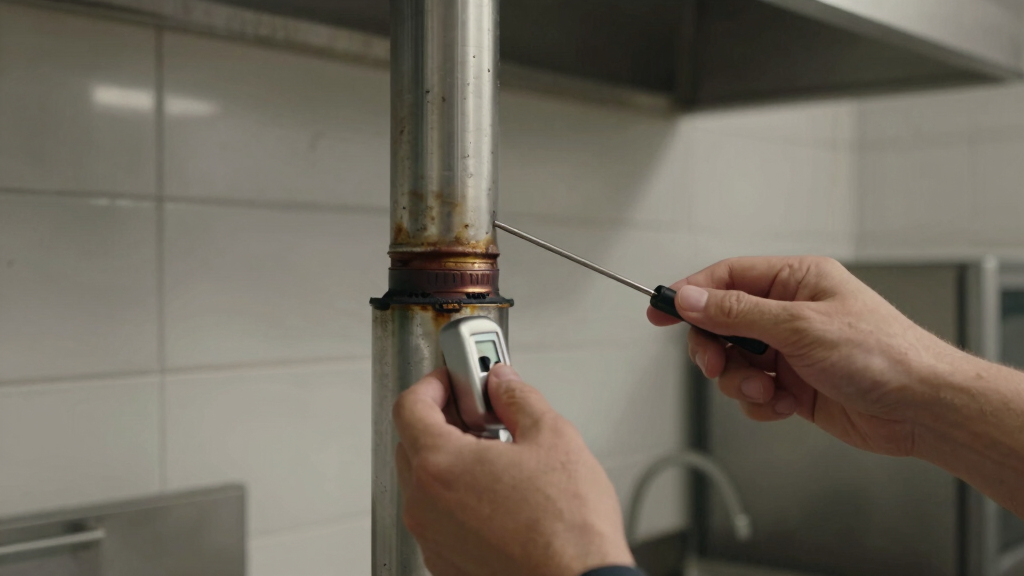
The first step is knowing whether you have a single wall or double wall pipe. High-precision thermometers like the Condar FlueGard™ are designed for double wall pipes, where accurate readings are critical. For single wall pipes, simpler models such as the Stanbroil magnetic thermometer provide sufficient monitoring without the need for complex installation. Matching your stove and pipe type with the thermometer’s specifications ensures reliable measurements and prevents possible damage or incorrect readings.
Key Features to Consider
Look for a thermometer with a suitable temperature range for your stove. Most wood stoves operate between 300-700°F, so ensure your chosen device covers this range. Response time is important if you want real-time feedback; quick response times (like 0.5 seconds) are preferable. Material durability impacts long-term use, especially if exposed to high heat, moisture, or rough handling. Ease of installation—whether magnetic, screw-on, or requiring drilling—is also a critical factor based on your technical comfort and stove design.
Accuracy vs. Cost Tradeoffs
High-end models like the Condar FlueGard™ offer superior accuracy and build quality but come at a higher price. Budget options like the Stanbroil or Copkim thermometers are more affordable and easy to install but may sacrifice some precision. Think about your primary goal—if you need precise temperature control for safety or efficiency, investing in a high-end thermometer pays off. For casual monitoring, a simpler model may be more appropriate.
Frequently Asked Questions
Why is measuring flue temperature important?
Measuring flue temperature helps ensure your stove operates efficiently and safely. It indicates whether the stove is burning fuel properly—too low suggests incomplete combustion, while too high risks damage to the stove or chimney. Monitoring temperature also helps optimize fuel use and prolongs the lifespan of your stove components.
Can I install a flue thermometer myself?
Most thermometers are designed for straightforward installation, often requiring only drilling a small hole or attaching magnetically. However, high-precision models like the Condar FlueGard™ may need careful placement and sealing for accurate readings. If you’re comfortable with basic DIY tasks, installing most thermometers is manageable, but professional installation ensures optimal accuracy for complex setups.
What range of temperatures should I look for?
For typical wood or pellet stoves, a thermometer with a range of 100°F up to at least 900°F is ideal. Most residential stoves operate between 300°F and 700°F, so choosing a device that covers this range allows for accurate monitoring and safety margins. High-temperature models up to 1700°F are suitable for industrial or high-performance setups.
Are digital thermometers better than analog?
Digital thermometers can provide more precise and easy-to-read measurements, often with instant updates. However, analog models like those reviewed here tend to be more durable, require no batteries, and are less susceptible to electronic failure. Your choice depends on your preference for simplicity versus advanced features and accuracy.
How often should I check my flue temperature?
Regular monitoring, especially during the initial operation or when adjusting your stove, is recommended. Once you establish a safe operating range, checking periodically—such as every few days or weekly—helps maintain efficiency and safety. Always consult your stove manufacturer’s guidelines for specific recommendations tailored to your model.