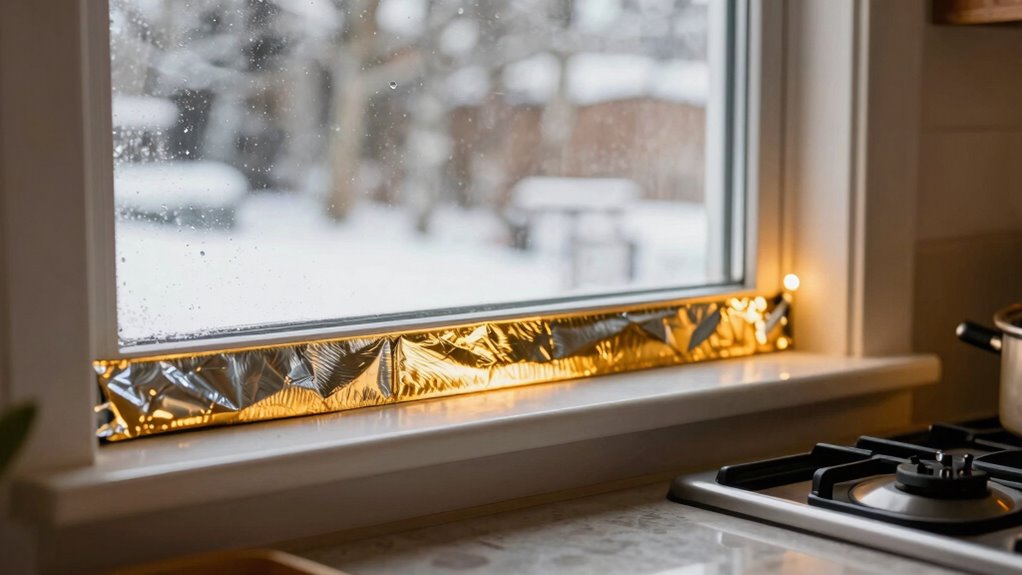

Sealing and insulating your windows helps trap more heat inside your home, allowing your stove’s warmth to travel farther. Use weatherstripping and caulk to close gaps, and consider insulating films or thermal curtains for extra protection. Double or triple-glazed windows also prevent heat from escaping through the glass. By improving window insulation, you’ll save energy and stay warmer. To discover more tips for maximizing heat retention and efficiency, keep exploring effective solutions for your home.
Key Takeaways
- Sealing gaps and cracks with weatherstripping and caulk prevents warm air from escaping, directing heat into the room.
- Installing insulating films or thermal curtains creates barriers that retain stove heat and improve overall insulation.
- Adding foam window inserts enhances heat retention, allowing stove warmth to travel farther inside the room.
- Positioning the stove near well-insulated windows promotes better heat circulation and minimizes heat loss.
- Combining insulation with draft stoppers around windows reduces cold air infiltration, increasing the effectiveness of stove heat.
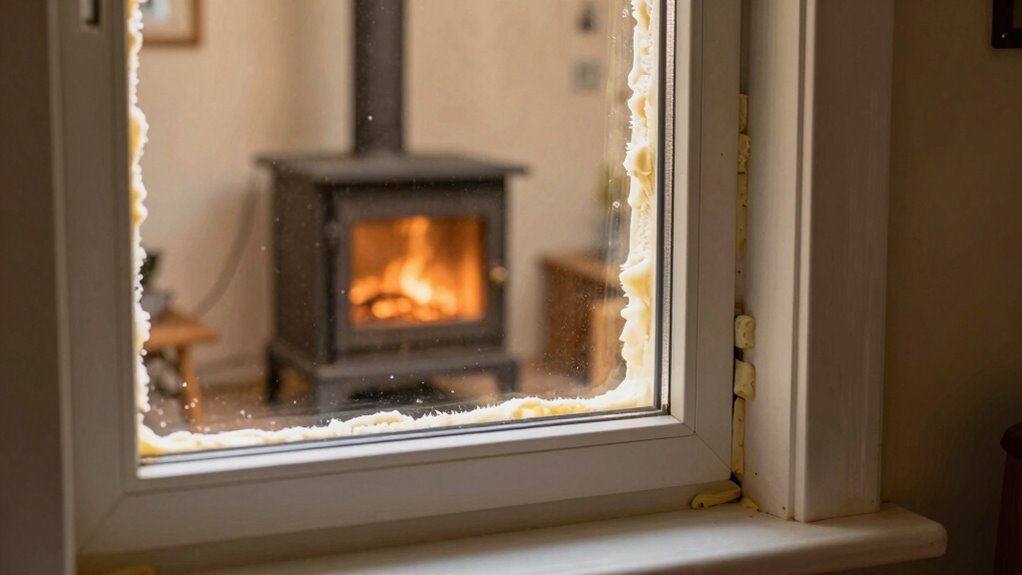
If your windows are letting in drafts or causing your energy bills to rise, addressing the insulation can make a significant difference. Improving your window insulation isn’t just about sealing gaps; it’s also about understanding how drafting techniques and suitable insulation materials can optimize heat retention. When your stove heats a room, that warmth can easily escape through poorly insulated windows, making your heating efforts less effective. To make stove heat travel farther, you need to minimize heat loss at the source—your windows.
Start by assessing the current state of your window insulation. Drafting techniques like sealing gaps with weatherstripping or adding caulk can prevent cold air from sneaking in and warm air from escaping. These simple fixes are cost-effective and quick to implement, but they only go so far if the window itself isn’t well-insulated. That’s where insulation materials come into play. Using foam window inserts, thermal curtains, or insulating film can dramatically reduce heat transfer. Foam inserts, for example, create a barrier that keeps warmth inside and cold outside, enabling your stove’s heat to circulate thoroughly within the room.
Seal gaps with weatherstripping and add foam inserts or thermal curtains to boost heat retention.
You should also consider the type of insulation materials you use. Double-glazed or even triple-glazed windows are excellent for trapping heat, but if replacing windows isn’t an option, applying insulating films or adding heavy curtains can make a huge difference. When you install these materials, you’re essentially creating an extra layer of insulation that prevents heat from escaping through the glass. This means that the heat generated by your stove stays in your space longer, traveling farther and warming the room more efficiently. Additionally, insulation techniques can be tailored to suit your specific window types and climate conditions, maximizing their effectiveness. Proper insulation materials further enhances your efforts by providing additional barriers against heat loss. Proper insulation techniques also help in reducing heat transfer, making your heating more efficient. Incorporating insulation strategies into your home can significantly improve overall energy efficiency and comfort during cold months.
In addition to sealing and insulating, strategic placement of your stove can enhance heat distribution. Positioning it near insulated windows or using draft stoppers around window sashes can help contain the heat. Combining these physical barriers with effective drafting techniques ensures minimal heat loss, so the warmth you produce doesn’t just rise and escape but stays where you need it most. Proper insulation reduces heat transfer and helps your stove’s warmth stay trapped inside longer, creating a warmer space with less energy wasted. Over time, investing in good insulation materials and properly sealing your windows can lead to significant savings on energy bills and a more comfortable living space, especially during cold months.
Ultimately, making your stove heat travel farther hinges on reducing heat loss through your windows. By applying proper drafting techniques and selecting the right insulation materials, you transform your windows from sources of heat escape into barriers that retain warmth. This way, the heat from your stove stays trapped inside longer, creating a warmer space with less energy wasted.
window weatherstripping seal kit
As an affiliate, we earn on qualifying purchases.
As an affiliate, we earn on qualifying purchases.
Frequently Asked Questions
Will This Insulation Fix Work on All Types of Windows?
Yes, this insulation fix works on most window types, but its effectiveness depends on your window aesthetics and insulation durability. If your windows have a simple design, you’ll likely see better results, while intricate styles might need additional adjustments. The fix offers good insulation durability, guaranteeing it lasts through seasonal changes. Just make sure you choose the right materials for your window type to maximize heat retention and maintain your home’s appearance.
How Long Does the Insulation Last Before Needing Replacement?
Insulation durability varies, but generally, you’ll get about 3 to 5 years before needing replacement. While it’s durable enough to withstand seasonal changes, exposure to sunlight and weather can wear it down faster. You should check periodically for signs of wear or gaps. Regular inspection helps you gauge the replacement frequency, ensuring your windows stay insulated and your stove heat travels efficiently.
Is This Fix Suitable for Double-Pane or Triple-Pane Windows?
This fix is most suitable for double-pane windows, as they benefit from added insulation like window tinting or thermal curtains. These options help trap heat more effectively, enhancing your home’s warmth. Triple-pane windows are already well-insulated, so this fix may offer minimal benefits. Using thermal curtains or tinting complements the insulation, making your space cozier without needing major window replacements.
Can This Insulation Method Be Applied to Existing Window Frames?
Think of this insulation method as a tailored suit for your window frames—you can definitely apply it to existing ones. It’s compatible with most window types, enhancing insulation without sacrificing window durability. Just make certain your window frames are in good condition before installation. This approach acts like a cozy blanket, sealing in heat and making your home warmer, more energy-efficient, and comfortable without the need for costly replacements.
Does This Fix Affect Window Clarity or Visibility?
This insulation fix doesn’t considerably affect your window clarity or visibility; it mainly targets heat retention. However, you might notice some minor increase in window glare, especially if the insulation material reflects sunlight. Privacy concerns are minimal unless the insulation makes the window more opaque. Overall, you’ll enjoy better warmth without sacrificing clear sightlines, although it’s worth checking how the insulation impacts your specific window conditions.
Conclusion
By sealing your window gaps, you create a barrier like a shield, helping your stove’s heat travel farther and stay warmer longer. It’s a simple fix that makes a big difference, much like a gust of wind that pushes a kite higher into the sky. With just a little effort, you’ll notice your home staying cozy without cranking up the heat. So, take these easy steps and enjoy a warmer, more comfortable space this winter.