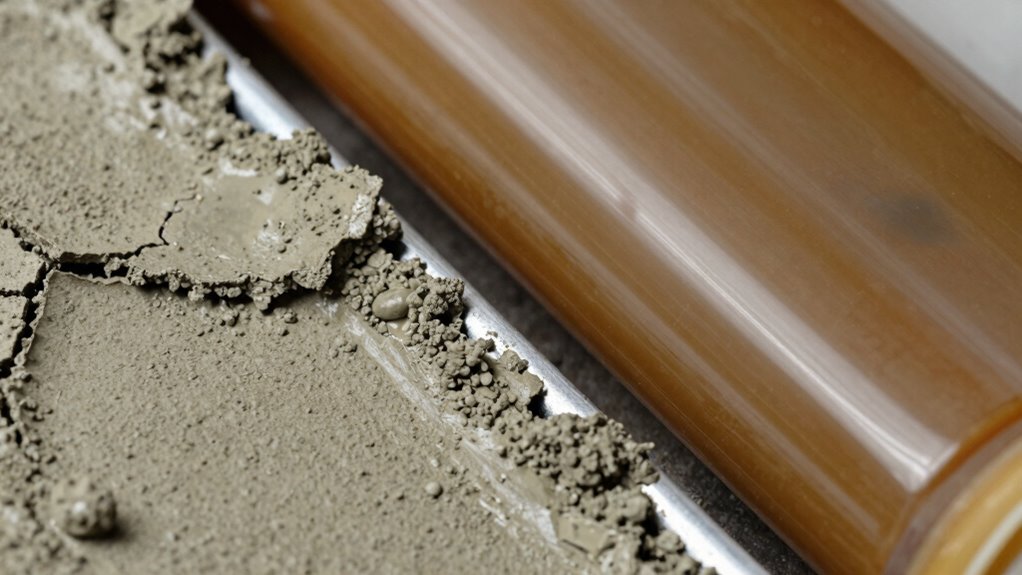

You can’t use furnace cement and high-temp silicone interchangeably because they’re designed for different purposes and can’t handle the same conditions. Furnace cement is rigid, withstands very high temperatures up to 2,000°F, and offers a permanent, strong bond for structural repairs. High-temp silicone, however, is flexible, suitable for lower temperatures around 600°F to 1,200°F, and best for sealing gaps that expand or contract. Understanding these differences helps prevent damage or safety issues; if you keep exploring, you’ll find useful details about their specific applications.

Get backup power and energy gear delivered free with Prime
- Fast, free delivery on millions of items
- Prime Video, Amazon Music and more included
- Member-only deals all year
Key Takeaways
- Furnace cement withstands much higher temperatures (up to 2,000°F) than high-temp silicone, which typically maxes out around 600°F to 1,200°F.
- Furnace cement is rigid and durable for structural repairs, while silicone remains flexible, making it unsuitable for high-stress, high-temperature applications.
- Silicone can degrade or lose sealing properties when exposed to direct flames or extreme heat, unlike furnace cement.
- Furnace cement forms a permanent, strong bond for structural integrity, whereas silicone offers aesthetic sealing for smaller gaps and gaps that expand.
- Using silicone in high-heat, structural environments can cause cracks, leaks, and safety hazards due to its lower heat tolerance.
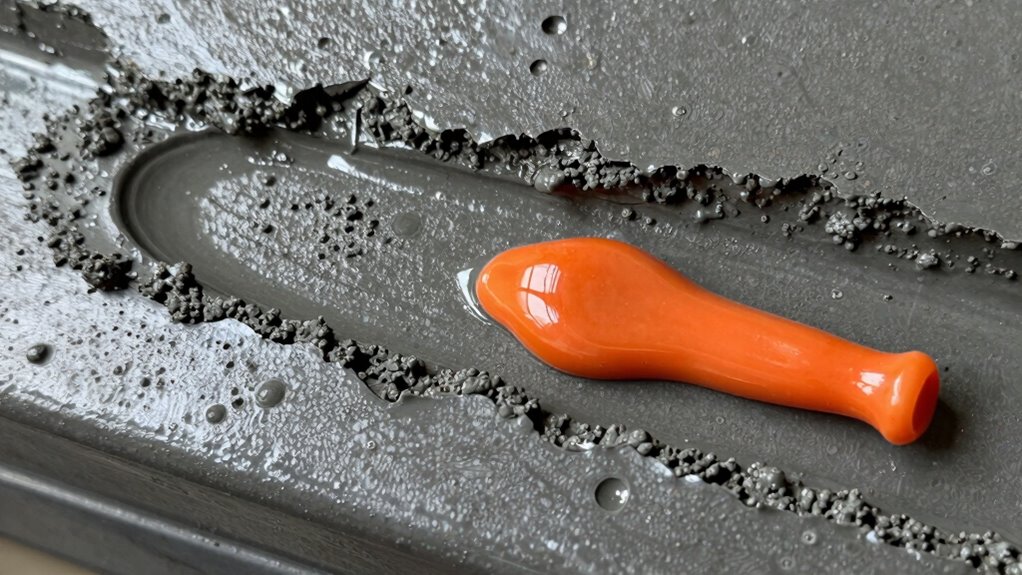
Furnace cement is a heavy-duty, heat-resistant material designed specifically for sealing and repairing high-temperature joints in furnaces, chimneys, and fireplaces. It’s formulated to withstand extreme heat, often up to 2,000°F, making it ideal for patching cracks or gaps in fireboxes and chimney liners. When you’re doing chimney repair, furnace cement provides a durable, permanent seal that prevents smoke or gases from escaping. It’s also excellent for restoring the structural integrity of your fireplace, ensuring safety and longevity. Its thick, paste-like consistency allows it to fill large gaps and adhere strongly to masonry and metal surfaces. Because of its strong adhesion and high heat resistance, furnace cement is often used in structural repairs, where durability is critical. Additionally, furnace cement’s composition enables it to resist thermal expansion and contraction, which is vital in high-temperature environments. This resilience is crucial for maintaining a safe and effective seal over time, especially in high-stress conditions.
On the other hand, high-temp silicone is a flexible, elastic sealant that also tolerates high heat, but typically up to 600°F to 1,200°F depending on the product. Silicone’s main advantage is its flexibility—it’s great for sealing joints and gaps that might expand or contract with temperature changes. When it comes to fireplace aesthetics, silicone is often used around glass doors or for sealing smaller gaps where flexibility is needed. Its smooth finish and color options help maintain a clean, neat appearance, making it a popular choice for finishing touches. However, silicone isn’t suitable for structural repairs or areas exposed to direct flames or very high heat, as it can degrade or lose its sealing properties over time. The flexibility of silicone also helps accommodate minor movements, reducing the risk of cracks or breaks in the seal. It’s important to choose the right material to match the specific application and heat exposure involved.
Understanding the different properties of these materials helps ensure you select the best option for your project, preventing costly mistakes and potential safety hazards. The key reason these materials aren’t interchangeable boils down to their heat tolerance and intended use. Furnace cement is built for structural repairs and permanent sealing in high-heat environments, while high-temp silicone is better suited for flexible, aesthetic sealing in areas with lower heat exposure. Using silicone in place of furnace cement on a chimney joint, for example, could lead to cracks, leaks, and safety hazards. Conversely, applying furnace cement where flexibility is needed might cause cracking or cracking due to its rigidity. Additionally, furnace cement’s ability to withstand extreme temperatures makes it essential in high-heat repair scenarios where silicone would fail. Properly matching the sealant to the application ensures safety, longevity, and the best appearance for your fireplace or chimney.
furnace cement for chimney repair
As an affiliate, we earn on qualifying purchases.
As an affiliate, we earn on qualifying purchases.
Frequently Asked Questions
Can Furnace Cement Be Used for Outdoor Applications?
Yes, you can use furnace cement for outdoor applications, but it depends on its outdoor durability and material compatibility. Furnace cement is designed to withstand high temperatures, but not all formulations are weather-resistant. If you choose a version labeled for outdoor use, it’ll resist rain, temperature fluctuations, and other weather conditions. Always check the product specifications to verify it’s suitable for outdoor environments and compatible with the materials you’re working with.
Is High-Temp Silicone Suitable for Sealing Leaks?
They say “a stitch in time saves nine,” and when it comes to leaks, high-temp silicone can be suitable for sealing small leaks due to its flexibility and waterproof properties. However, for leak prevention involving high heat, verify the material compatibility with your specific application. Silicone is great for quick fixes but might not withstand extreme conditions long-term. Always check the manufacturer’s guidelines to avoid issues down the line.
How Long Does Furnace Cement Take to Cure?
Furnace cement typically takes about 24 hours to fully cure, but it starts setting within a few hours. During this time, its durability increases considerably, guaranteeing a strong, heat-resistant bond. Unlike high-temp silicone, which remains flexible, furnace cement hardens completely, providing maximum furnace durability. You should avoid stressing the seal during curing, and guarantee proper ventilation to speed up the process.
Can High-Temp Silicone Withstand Direct Flame Contact?
Like a knight facing a dragon, you wonder if high-temp silicone can withstand direct flame contact. Sadly, it can’t. While it offers decent flame resistance, it’s not designed for direct flame exposure, and its material compatibility drops under such extreme heat. Furnace cement, on the other hand, is specifically formulated for high temperatures and direct contact with flames, making it the better choice for those fiery situations.
Are There Any Health Risks When Handling These Materials?
When handling furnace cement and high-temp silicone, you should be aware of potential health hazards. Both materials can emit toxic fumes if inhaled during application or curing, so it’s crucial to work in well-ventilated areas and wear protective gear. Prolonged exposure might cause respiratory issues or skin irritation. Always follow safety instructions on the labels to minimize health risks and guarantee safe handling.
Conclusion
Think of furnace cement and high-temp silicone as two skilled artisans—each with a unique craft. Using one in place of the other is like trying to paint a masterpiece with a hammer. You need the right tool for the job to guarantee a perfect seal and lasting durability. When you choose wisely, you’re not just repairing; you’re crafting a fortress that withstands the heat, much like a master builder who knows which tool best safeguards their creation.
Halloween Picks
halloween
As an affiliate, we earn on qualifying purchases.