At higher elevations, the thinner air with less oxygen makes your wood stove burn less efficiently by decreasing combustion and heat output. You might notice your fire struggles to stay lit, burns unevenly, or produces more smoke and creosote buildup. To improve performance, you may need to adjust draft controls or install high-altitude kits. Discover more tips to optimize your stove’s function at high elevations and keep your home warm effectively.

Get backup power and energy gear delivered free — and shop member deals
- Fast, free delivery on millions of items
- Access to Prime Big Deal Days deals on October 6–7
- Prime Video, Amazon Music and more included
Key Takeaways
- Higher altitudes have thinner air, reducing oxygen for combustion and decreasing stove efficiency.
- Fires may burn more slowly, produce more smoke, and generate less heat at elevated elevations.
- Installing high-altitude kits and adjusting airflow helps improve combustion performance.
- Properly seasoned, dry wood is essential to maintain efficient burning in high-altitude environments.
- Regular maintenance and vent cleaning are crucial to prevent creosote buildup and ensure safe operation.
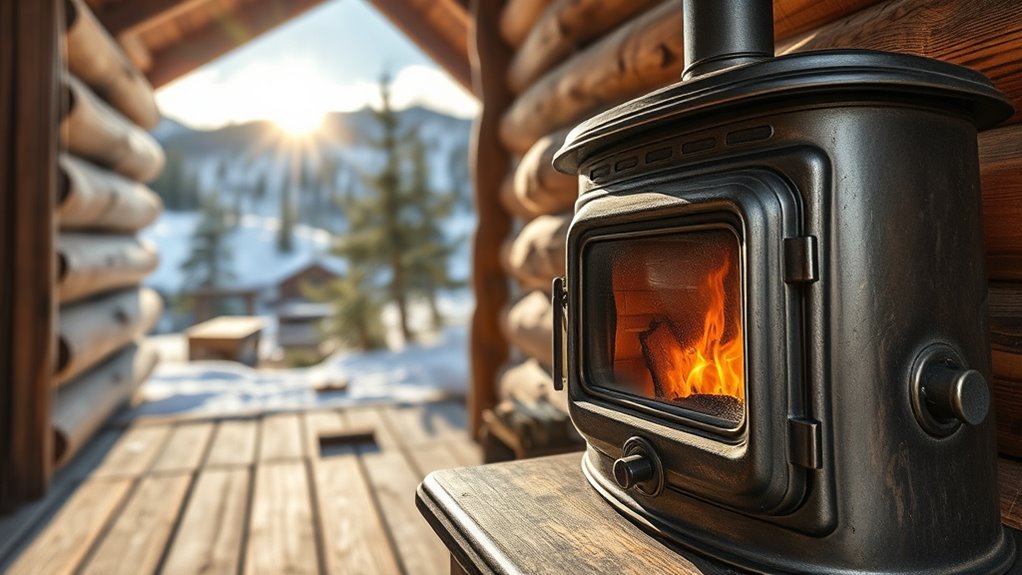
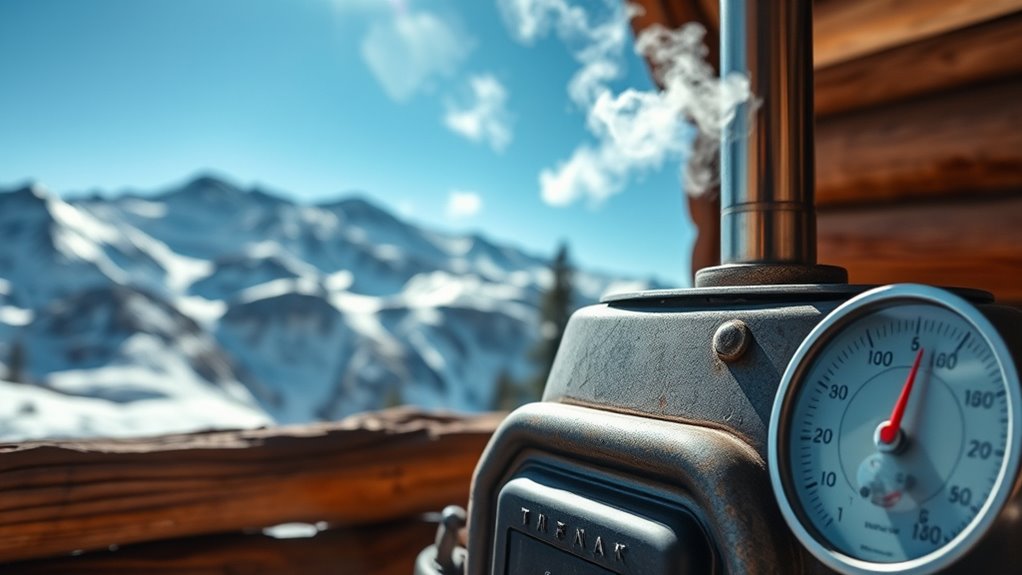
Altitude considerably influences how your wood stove performs, as changes in air pressure and oxygen levels affect combustion efficiency. When you’re operating at higher elevations, the thinner air means less oxygen is available for combustion. This phenomenon, known as altitude effects, can substantially reduce your stove’s ability to burn fuel effectively. You might notice that fires burn more slowly, generate less heat, or struggle to stay lit altogether. These issues stem from the fact that the combustion process relies heavily on adequate oxygen intake. As altitude increases, the drop in oxygen levels hampers the chemical reactions necessary for efficient burning, leading to incomplete combustion and less heat output.
Understanding how altitude impacts combustion efficiency helps you troubleshoot performance problems. If your wood stove isn’t producing enough heat or seems to struggle with ignition at higher elevations, it’s likely due to reduced oxygen availability. In these conditions, the stove’s air-to-fuel ratio becomes imbalanced, which can cause smoky fires, creosote buildup, and increased emissions. You may also notice that you need to adjust airflow controls more frequently or run the stove with a more aggressive draft to compensate for the thinner air. Without proper adjustments, your stove won’t operate at peak efficiency, wasting fuel and decreasing heat output.
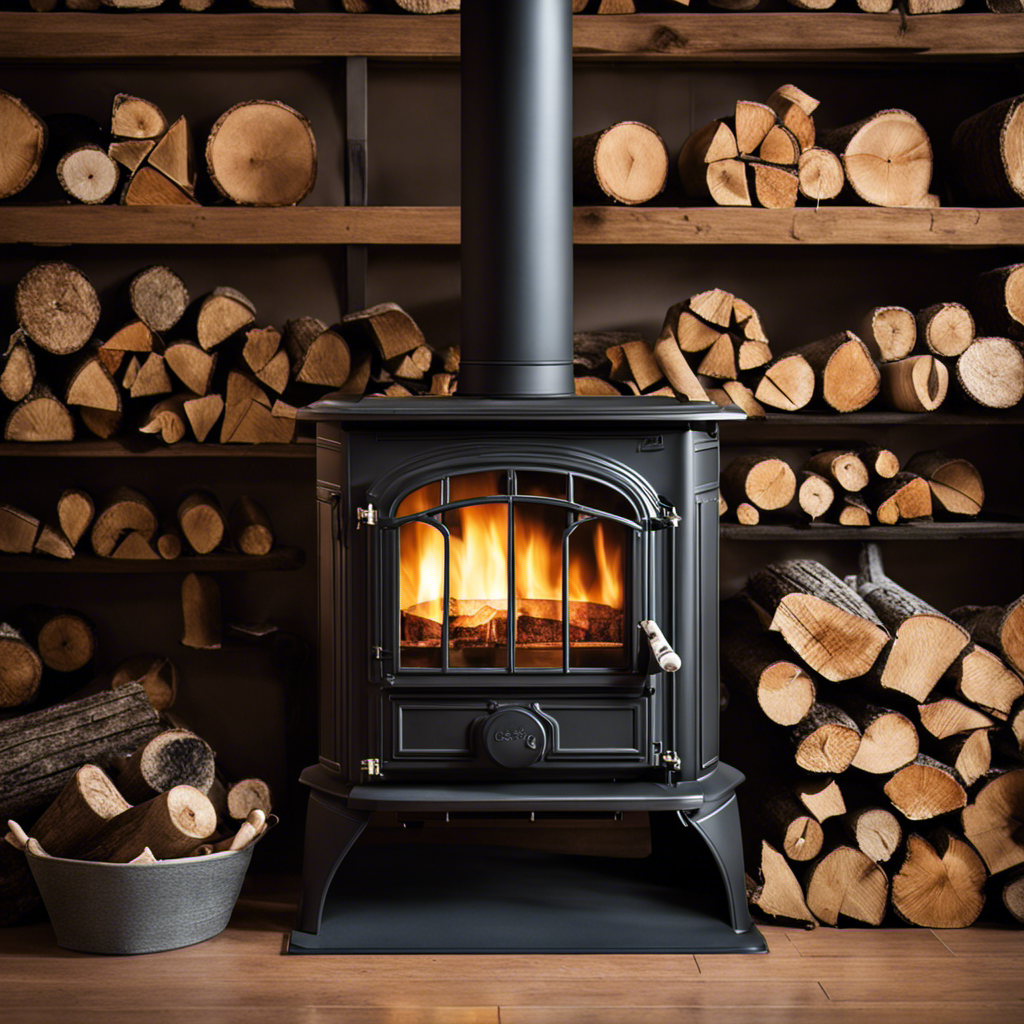
To counteract altitude effects, you might need to modify your stove’s setup. Many high-elevation users install special high-altitude kits or adjust the primary air supply to increase oxygen intake. These modifications help restore combustion efficiency by providing the necessary oxygen levels for proper burning. Additionally, choosing the right type of fuel and ensuring your wood is properly seasoned becomes even more critical at altitude. Well-dried wood burns cleaner and more efficiently, which can partially offset the challenges posed by lower oxygen levels. Regular maintenance, like cleaning out creosote and inspecting vents, also plays a crucial role in maintaining top performance at higher elevations.
Another important factor is oxygen levels, which directly impact how well your stove burns and how efficiently it produces heat. Ultimately, the key to maintaining your wood stove’s performance at altitude is understanding how these environmental changes affect combustion efficiency. Recognizing the signs of reduced efficiency, such as sluggish fires or excessive smoke, allows you to make timely adjustments. By fine-tuning airflow, using appropriate fuel, and implementing altitude-specific modifications, you can ensure your stove works effectively regardless of elevation. Adapting to altitude effects isn’t just about maintaining comfort; it’s about enhancing your stove’s efficiency, saving fuel, and preventing potential safety hazards caused by incomplete combustion or excessive creosote buildup.
As an affiliate, we earn on qualifying purchases.
Frequently Asked Questions
How Does Altitude Affect Wood Stove Fuel Efficiency?
Altitude effects can reduce your wood stove’s fuel efficiency because thinner air at higher elevations burns less efficiently. You might notice your stove uses more wood to produce the same heat, as combustion is less complete. To counter this, you can adjust air settings or use a stove designed for high-altitude use. Keep these modifications in mind to maintain peak performance and conserve fuel in elevated locations.
Are There Specific Stove Models Designed for High-Altitude Use?
You’ll find stove model options specifically designed for high-altitude adaptations, making them more efficient in thinner air. While standard models work well at lower elevations, high-altitude stoves optimize combustion and heat output where oxygen is scarce. These specialized stoves guarantee you stay warm and safe, highlighting the importance of choosing a model suited for your elevation. Fundamentally, high-altitude adaptations aren’t just optional—they’re essential for peak performance.
What Safety Concerns Arise With High-Altitude Wood Stove Operation?
When operating a wood stove at high altitude, you should be aware of ventilation hazards and carbon monoxide risks. Poor ventilation can cause dangerous buildup of gases, increasing the risk of poisoning. Always guarantee proper ventilation, install carbon monoxide detectors, and maintain your stove regularly. These precautions help prevent dangerous leaks and ensure safe operation, especially since altitude can affect combustion efficiency and gas emissions.
How Does Oxygen Availability at Altitude Influence Combustion?
At higher altitudes, oxygen levels decrease, which directly affects combustion efficiency. When you operate a wood stove where oxygen is scarce, the combustion process becomes less complete, leading to lower heat output and increased smoke. You might notice your stove struggles to burn effectively, producing more creosote and emissions. To maintain safe and efficient operation, you may need to adjust airflow or use specialized equipment to compensate for the reduced oxygen availability.
Can Altitude Changes Impact Wood Stove Maintenance Requirements?
Altitude changes can impact your wood stove’s maintenance needs, so you should consider altitude adjustments and ventilation modifications. Higher elevations may cause your stove to burn less efficiently, leading to increased soot buildup and creosote deposits. Regularly cleaning your stove and chimney helps prevent blockages. Additionally, adjusting airflow and ventilation guarantees ideal combustion, reducing wear and tear. Staying proactive with these modifications keeps your stove running smoothly and extends its lifespan.
Conclusion
So, don’t let altitude discourage you from enjoying a warm fire. While higher elevations can affect your wood stove’s efficiency, choosing the right stove and adjusting your practices can keep your home cozy. Think of it like tuning a musical instrument—small tweaks make a big difference. With a little knowledge and effort, you’ll enjoy reliable heat no matter how high you go. Embrace the challenge and stay warm above the clouds.
Fall Picks
fall essentials
As an affiliate, we earn on qualifying purchases.