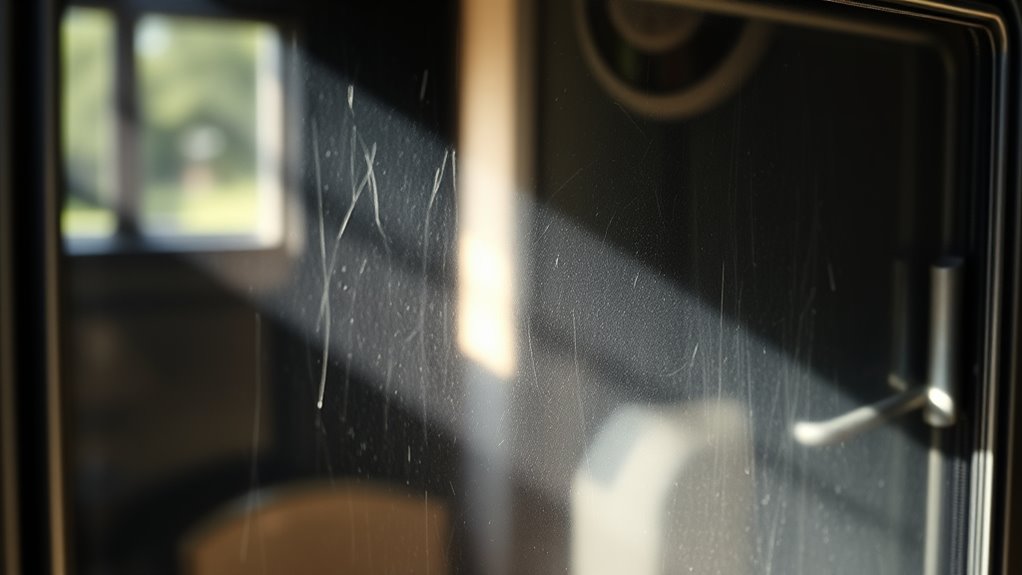

To clean your wood stove glass without chemicals, start by ensuring the stove is cool. Gently remove loose ash and debris with a soft brush or dry cloth. Use a damp cloth or non-abrasive pad to wipe away soot, and for tougher stains, apply a baking soda paste directly on the glass. Let it sit for a few minutes before wiping clean. With patience and care, you can keep your glass spotless—learn more for extra tips.

Get backup power and energy gear delivered free with Prime
- Fast, free delivery on millions of items
- Prime Video, Amazon Music and more included
- Member-only deals all year
Key Takeaways
- Use a damp cloth or non-abrasive pad with water to gently wipe the glass.
- Apply a baking soda paste directly on soot spots, then let sit before wiping clean.
- Dampen a cloth with a water-vinegar mixture for effective soot removal.
- Regularly remove ash and debris to prevent scratches and make cleaning easier.
- Buff the glass with a dry, soft cloth after cleaning to restore shine without chemicals.
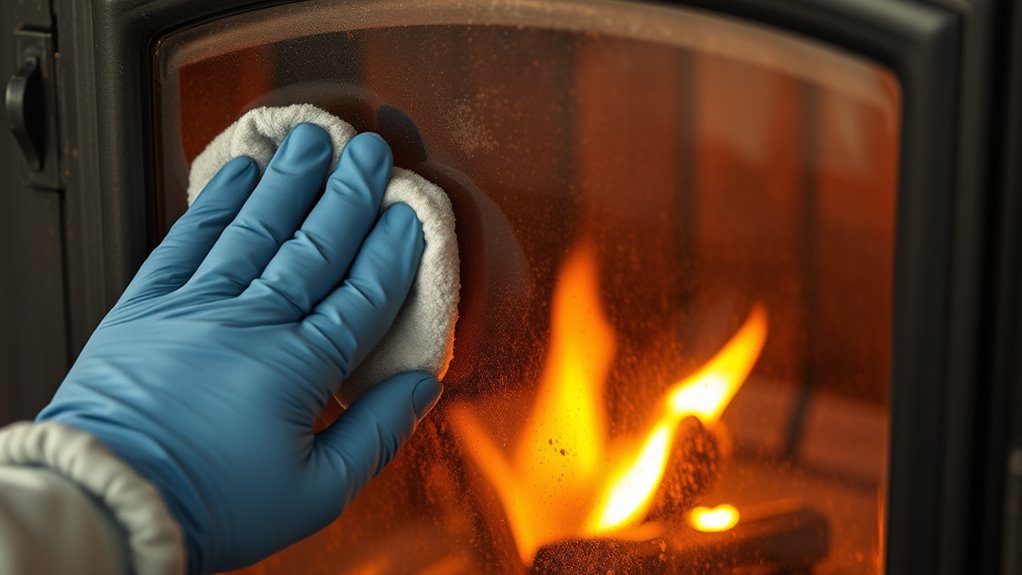
Cleaning wood stove glass can be a straightforward task if you know the right methods. The key is to approach it systematically, focusing on ash removal and soot cleaning to restore clarity without relying on harsh chemicals. First, make sure the stove is completely cool before you start. Once cooled, open the door and carefully remove any loose ash or debris sitting on or near the glass. Use a soft brush or a dry cloth to gently sweep away the ash, avoiding scratching the surface. Removing the ash thoroughly helps prevent scratches and makes soot removal more effective.
Next, focus on soot cleaning. Soot is the black film that builds up from incomplete combustion, and it can be stubborn. To tackle it naturally, you can use a damp cloth or a scrubbing pad made of non-abrasive material. Lightly dampen the cloth with water and wipe the glass in gentle circular motions. For tougher soot spots, dip the cloth in a mixture of equal parts water and vinegar, or use a paste of baking soda and water. These natural cleaners are effective at loosening soot without damaging the glass or introducing chemicals. Apply the paste directly on the soot, let it sit for a few minutes, then wipe away with a damp cloth.
Use a damp cloth with water, vinegar, or baking soda paste to naturally remove stubborn soot from wood stove glass.
For stubborn stains, you might need to repeat the process a few times, always ensuring you don’t use abrasive tools that could scratch the glass. After removing the soot, buff the glass with a dry, soft cloth to bring back its shine. Regular cleaning prevents the buildup of ash and soot, making each session quicker and easier. Remember, frequent ash removal is essential because accumulated ash can scratch the glass when you clean or open the door. Also, maintaining proper air flow inside the stove reduces soot formation, keeping your glass cleaner longer.
In addition, ensuring proper air flow inside the stove can help minimize soot buildup, making cleaning easier and less frequent. If you prefer a more natural approach for ongoing maintenance, consider placing a layer of crumpled newspaper or a specialized stove glass cleaner cloth on the glass after each use. This prevents soot from sticking too firmly and makes future cleaning easier. Ultimately, with a little patience and the right techniques, you can keep your wood stove glass spotless without resorting to harsh chemicals. Focus on thorough ash removal and soot cleaning, and you’ll enjoy a clear, beautiful view through your stove’s glass for seasons to come.
wood stove glass cleaner no chemicals
As an affiliate, we earn on qualifying purchases.
As an affiliate, we earn on qualifying purchases.
Frequently Asked Questions
Can Baking Soda Effectively Clean Stubborn Stove Glass?
Yes, baking soda is effective for stubborn stain removal on stove glass. Its gentle abrasive qualities help lift tough soot and grime without scratching the surface. You can make a paste with baking soda and water, then apply it to the stained areas. Let it sit for a few minutes before scrubbing with a soft cloth or brush. This natural cleaning method guarantees effective stain removal while avoiding harsh chemicals.
How Often Should I Clean My Wood Stove Glass?
You should clean your wood stove glass every 1 to 2 weeks to maintain ideal performance and safety. Studies show that regular stove maintenance reduces creosote buildup by up to 80%, lowering fire risks. By keeping a consistent cleaning frequency, you prevent ash and soot from becoming stubborn, making your cleaning easier and more effective. Remember, clean glass not only looks better but also ensures efficient heating and a safer home environment.
Are There Natural Remedies for Removing Soot Stains?
Yes, natural remedies can effectively remove soot stains from your wood stove glass. You can make a paste with baking soda and water, then gently scrub the stains with a soft cloth or sponge. Alternatively, vinegar mixed with water works as a natural cleaner—spray it on the soot stains, let it sit for a few minutes, then wipe clean. These remedies are safe, eco-friendly, and easy to use.
What Safety Precautions Should I Take During Cleaning?
Imagine yourself as a brave firefighter preparing for a safe rescue. You should wear protective gear, like gloves and goggles, to shield your skin and eyes from soot and dust. Make certain good ventilation by opening windows and doors, letting fresh air flow like a gentle breeze guiding you safely through the task. These measures keep you protected and make your cleaning experience safe and effective.
Can Cleaning Without Chemicals Damage the Glass?
Cleaning without chemicals won’t damage your wood stove glass if you use proper techniques. Chemical alternatives like vinegar or baking soda are gentle yet effective. You should avoid abrasive scrubbing tools that could scratch the glass. Instead, use a soft cloth or sponge, and follow specific cleaning techniques like applying a vinegar solution and gently wiping. This approach keeps your glass safe and clean without risking damage from harsh chemicals.
Conclusion
Cleaning your wood stove glass without chemicals proves you can maintain a beautiful home naturally. It’s satisfying to see clarity return, revealing the warmth inside. Yet, this simple act reminds you that sometimes, the most effective solutions are the purest—nothing harsh needed. Just as your stove’s glass clears, your approach to cleaning can be clear and gentle, fostering a healthier space. Embrace the power of natural methods—clean, simple, and kind to both your home and the environment.
Halloween Picks
halloween
As an affiliate, we earn on qualifying purchases.