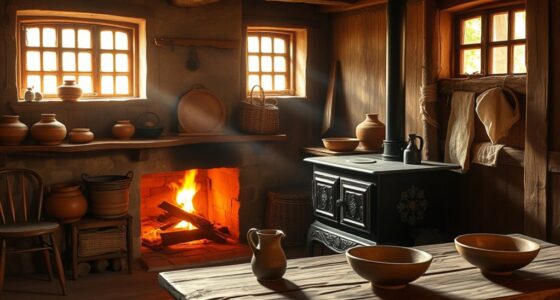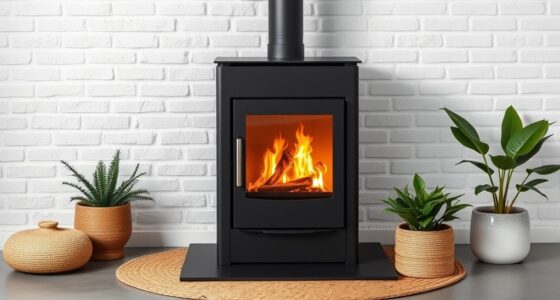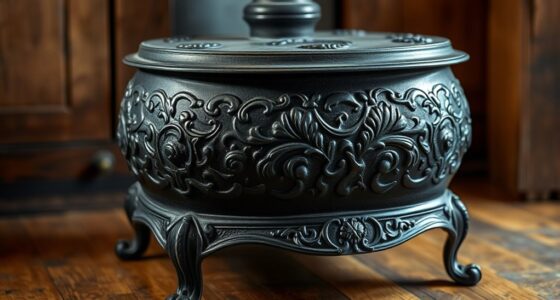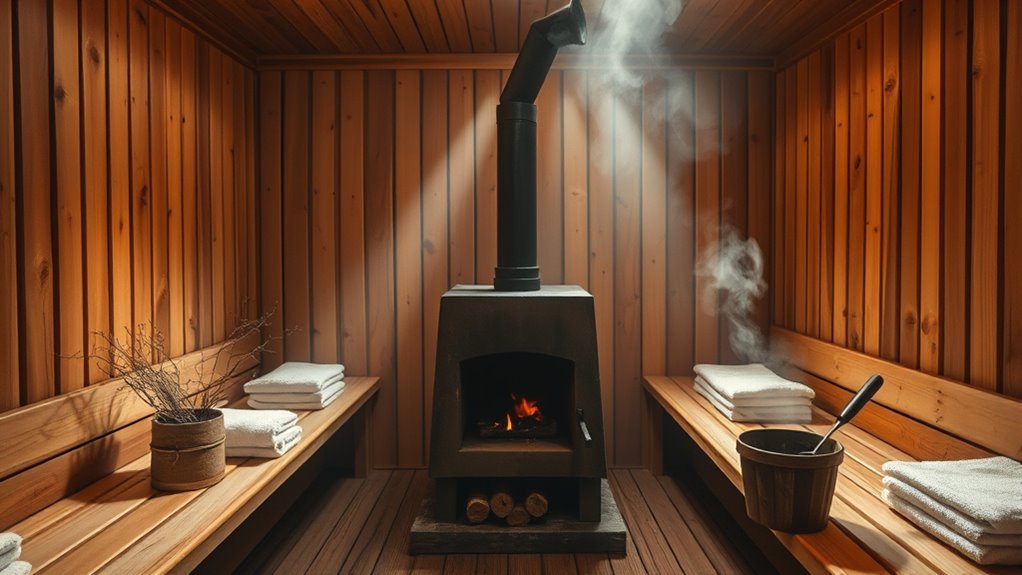

In sauna traditions worldwide, the stove is the heart of the experience, symbolizing cleansing, community, and spiritual renewal. You’ll find it fueling rituals that include pouring water over hot stones, using aromatic infusions, and incorporating traditional accessories like birch branches or venik. It’s a place to focus on mindfulness, respect, and connection to cultural roots. Stay engaged to uncover the rich practices and meanings that make these rituals meaningful across different cultures.
Key Takeaways
- The stove is the core element in many traditional sauna rituals, symbolizing warmth, community, and spiritual cleansing.
- In Finnish saunas, the stove heats stones for steam, fostering mindfulness and sensory connection during rituals.
- Russian banyas emphasize the stove’s role in facilitating venik whips and infusions, enhancing circulation and purification.
- Central stoves in sauna traditions reflect cultural values of respect, harmony, and reverence for ancestral practices.
- Rituals often involve approaching the stove with mindfulness, emphasizing its significance in spiritual and communal renewal.
Sauna rituals around the world showcase a rich tapestry of traditions that go beyond simple relaxation. When you step into a sauna, you’re entering a space that’s deeply rooted in cultural practices, often involving specific manners and tools to enhance the experience. Understanding sauna etiquette is essential; it shows respect for the tradition and helps create a harmonious environment. For instance, in many cultures, it’s customary to shower before entering, ensuring cleanliness and hygiene are maintained. You should also be mindful of noise levels and avoid disruptive behavior, allowing everyone to enjoy the tranquility. Sharing a sauna involves a certain code of conduct, such as sitting on towels to keep the benches clean and prevent sweat from staining the wood. These small courtesies preserve the space and honor the customs of the community.
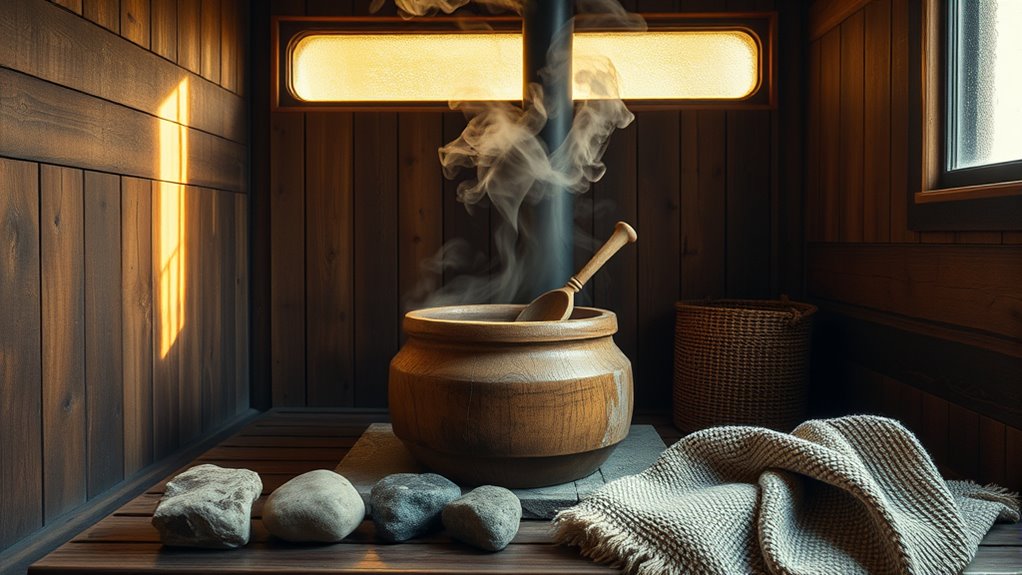
Traditional sauna accessories play a significant role in elevating the experience and connecting you to the cultural roots of each practice. A classic wooden bucket and ladle are often used to pour water over the hot stones, creating steam that intensifies the heat and opens your pores. Birch branches or venik (a bundle of dried leaves, often birch or oak) are also common, especially in Russian and Baltic traditions. These are gently whipped over the skin to stimulate circulation and improve skin tone. In Finnish saunas, a vihta—fresh birch twigs—is used similarly, and its aromatic scent adds to the sensory ritual. These accessories are not just functional; they carry meaning, symbolizing cleansing and renewal.
Additionally, self-understanding and mindfulness are often integrated into sauna rituals, encouraging participants to focus on their breath and inner state, thereby enhancing the spiritual aspect of the tradition. As you participate in sauna rituals around the world, you’ll notice how each culture emphasizes a sense of mindfulness and respect for the process. Whether you’re practicing the quiet serenity of a Finnish sauna, the social warmth of a Russian banya, or the ceremonial aspect of Japanese onsen, the use of traditional accessories helps deepen your connection to the tradition. You might also find yourself adopting specific rituals, like alternating between hot and cool phases, or enjoying herbal infusions that enhance relaxation. By embracing the etiquette and incorporating traditional accessories, you honor the history behind these practices and enrich your own experience. The stove, at the center of each tradition, isn’t just a source of heat; it’s a symbol of communal harmony, cleansing, and spiritual renewal. When you approach these rituals with respect and awareness, you become part of a global community united by the shared pursuit of wellness and tradition.

Pure Sauna Unique Wooden Sauna Water Bucket and Ladle Set – Improved Ergonomic Handle – Cedar Wood Sauna Water Bucket, Titanium & Recycled Plastic with 4L Capacity – Premium Sauna Accessories
- Elegant Cedar Wood Design: Blends classic style with modern features
- Large 4L Capacity: Perfect for sauna water needs
- Durable Construction: Made from thick cedar with titanium accents
As an affiliate, we earn on qualifying purchases.
As an affiliate, we earn on qualifying purchases.
Frequently Asked Questions
What Are the Health Benefits of Sauna Rituals?
Sauna rituals offer numerous health benefits, including detoxification and mental relaxation. As you sit in the heat, your body releases toxins through sweating, helping you feel refreshed and healthier. The calming environment also reduces stress and promotes mental clarity. Regular sauna use can improve circulation, boost your immune system, and enhance overall well-being. So, you’ll enjoy both physical and mental benefits that leave you feeling revitalized.
How Do Sauna Traditions Differ Across Cultures?
You’ll notice that sauna traditions differ across cultures through unique practices and customs. In Finland, you experience cultural steam by relaxing in a smoke sauna, while in Russia, banya rituals include cold plunges and venik (birch branch) massages. Japan’s sento and onsen emphasize cleanliness and meditation, whereas Turkey’s hammams focus on social bonding and cleansing. Each culture’s traditional practices revolve around community, purification, and personal wellness, reflecting their distinct historical and cultural values.
Are There Any Safety Precautions for Sauna Use?
To guarantee sauna safety, always follow stove precautions and avoid overexposure to heat. Keep the stove clear of flammable materials, and don’t stay in the sauna too long—usually 15-20 minutes is enough. Stay hydrated, listen to your body, and exit immediately if you feel dizzy or uncomfortable. Regularly check the stove for proper functioning, and never tamper with safety features to prevent accidents.
What Types of Wood Are Best for Sauna Stoves?
For your sauna stove, choose dense, slow-growing woods like cedar, hemlock, or birch. These woods provide excellent heat retention and heating efficiency, ensuring your sauna warms quickly and stays hot longer. Prioritize wood selection that’s dry and well-seasoned to maximize safety and performance. Avoid softwoods with high resin content, as they can produce creosote and increase fire risk, compromising both safety and heating efficiency.
How Do Sauna Rituals Influence Social Interactions?
You find that sauna rituals greatly influence social interactions by fostering community bonding and reinforcing cultural identity. As you share the heat and silence or conversation, you create a sense of trust and belonging. These rituals help you connect on a deeper level, celebrating traditions and values. In this way, saunas become more than just relaxation spaces—they serve as social hubs that strengthen your community’s bonds and cultural roots.
Conclusion
No matter where you go, sauna rituals share a common thread of relaxation and connection. Some might think they’re just about sweating, but they’re really about tradition, mindfulness, and community. Even if you’re new to saunas, embracing these rituals can boost your well-being. Don’t let unfamiliarity hold you back—step into the heat with an open mind. You might find that the true value lies in the shared experience, not just the steam.