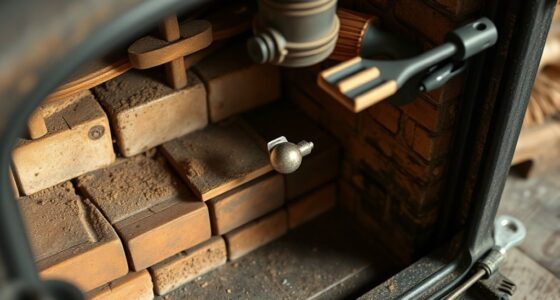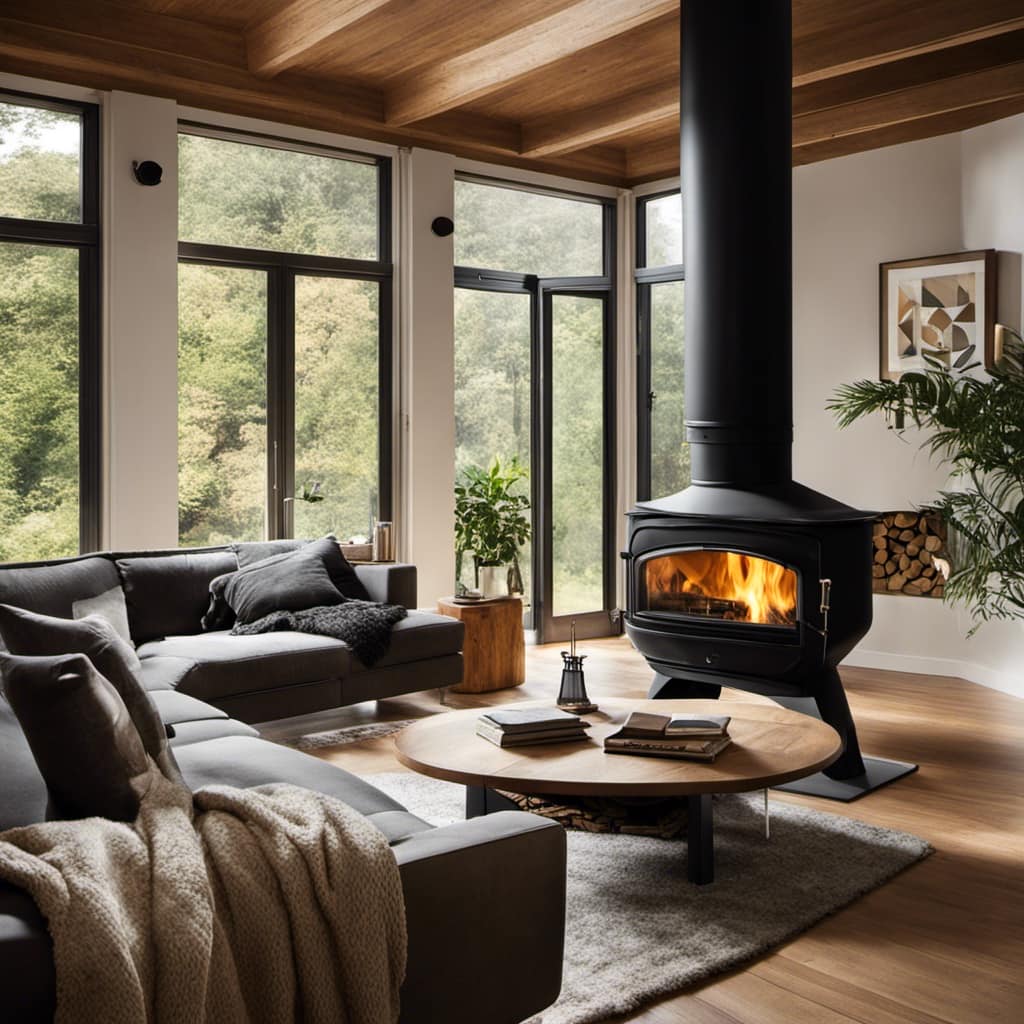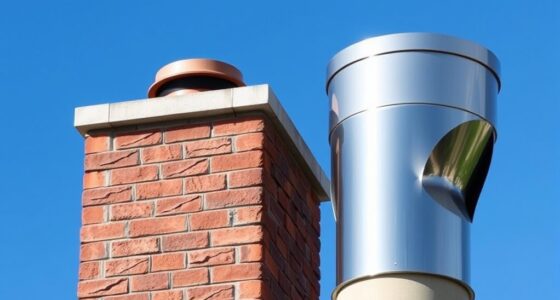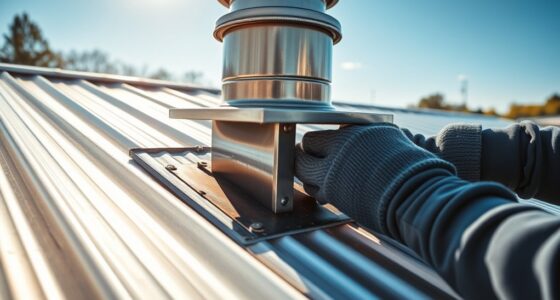

When you schedule a professional chimney sweep, expect a thorough process that includes an initial inspection to identify creosote buildup, blockages, or damage. The technician will use specialized tools like rotary brushes, vacuum systems, and cameras to clean out soot and debris, ensuring proper airflow and safety. They’ll also check for signs of wear or damage and provide maintenance tips. If you want details on what happens before, during, and after, keep going to learn more.
Key Takeaways
- Schedule an appointment at least once a year, especially with heavy use, for optimal safety and efficiency.
- Verify that the service provider is licensed, experienced, and has good reviews before scheduling.
- Prepare the area by clearing obstacles and ensuring easy access to facilitate thorough cleaning.
- Expect the technician to perform an initial inspection, followed by cleaning with specialized tools and equipment.
- After the service, receive a safety check, maintenance recommendations, and tips to prevent future creosote buildup.
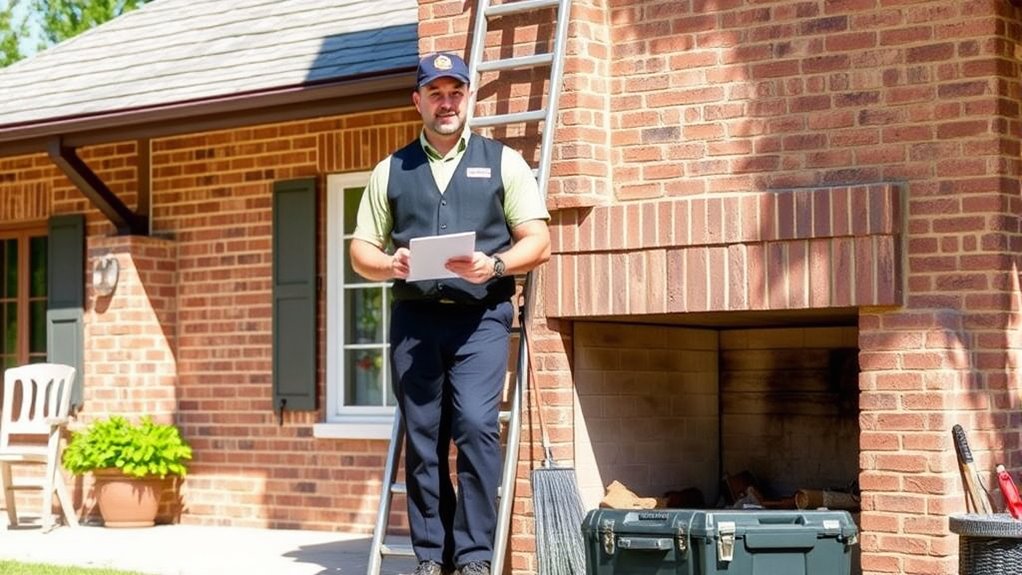
Scheduling chimney sweeps is an essential step in maintaining a safe and efficient fireplace or stove. When you set up a professional chimney sweep, you’re taking a proactive approach to prevent potential hazards like chimney fires, carbon monoxide leaks, and indoor air pollution. A trained technician will assess your chimney’s condition, ensuring that your home stays safe while maximizing the efficiency of your heating system. The process begins with choosing a reputable service provider, preferably one with good reviews and proper licensing. Once scheduled, you can prepare for the visit by clearing the area around your fireplace or stove, making it easier for the technician to access the chimney and work safely.
Scheduling chimney sweeps prevents hazards and ensures safe, efficient heating system operation.
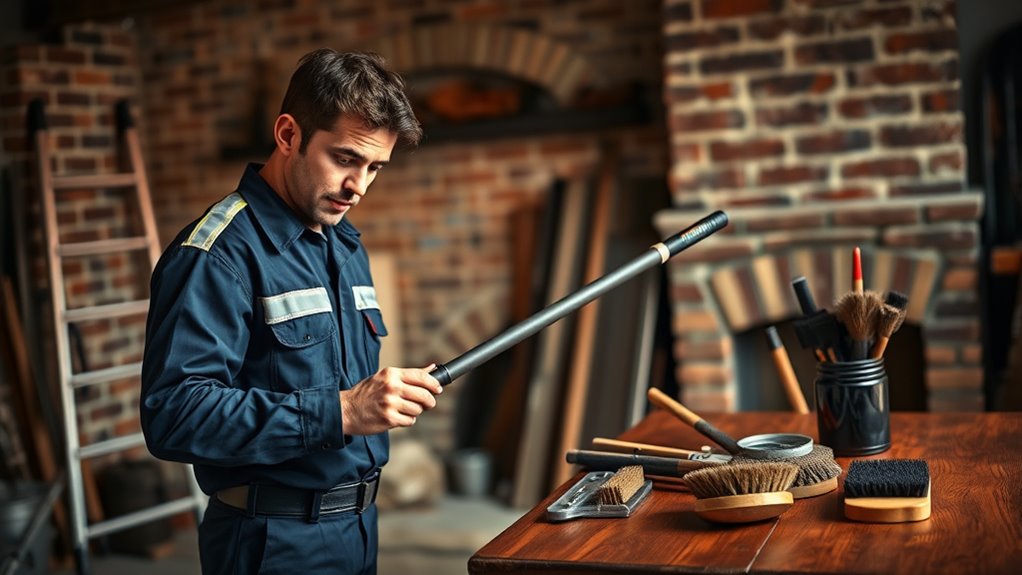
During the appointment, the chimney sweep will arrive equipped with the right cleaning equipment—rotary brushes, vacuum systems, and possibly camera inspection tools. These tools are vital for thorough cleaning and accurate assessment. The technician will first inspect your chimney, looking for creosote buildup, blockages, or damage. This step is crucial for chimney safety because accumulated creosote is highly combustible and a common cause of fires. Using specialized cleaning equipment, the technician will then remove soot, creosote, and debris from the chimney lining, ensuring unobstructed airflow and proper venting. This process not only reduces fire risk but also improves your stove or fireplace’s efficiency by allowing better draft and heat transfer.
Expect the technician to explain what they’re doing and to share their findings. If they spot any issues—such as cracked liners, loose bricks, or other structural concerns—they will advise you on repairs or further inspections. Keep in mind that regular cleaning with professional equipment is the best way to maintain chimney safety over time. It’s recommended to schedule these cleanings at least once a year, or more frequently if you use your fireplace heavily. Some homeowners prefer to have their chimney inspected and cleaned before the heating season begins, ensuring everything is in top shape when they need it most.
After the cleaning, the technician might perform a final inspection to confirm that the chimney is clear and safe to use. They may also offer tips on proper burning practices to reduce creosote buildup in the future. Scheduling professional chimney sweeps isn’t just about keeping your fireplace functional; it’s about protecting your home and loved ones. With the right cleaning equipment and expert care, you can enjoy a warm, safe, and efficient fireplace all season long. Additionally, regular inspections can help identify other potential issues like chimney damage or blockages early, preventing costly repairs later.
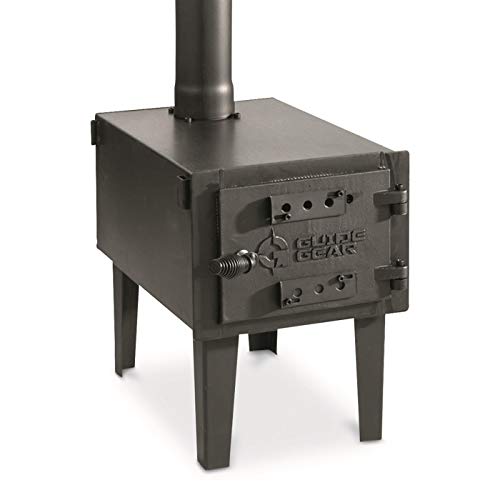
Guide Gear Outdoor Wood Burning Stove; Portable with Chimney Pipe for Cooking and Camping
OUTDOOR WOOD STOVE – We designed our camp stove for use outside. Perfect for use during camping trips...
As an affiliate, we earn on qualifying purchases.
Frequently Asked Questions
How Early Should I Book My Chimney Sweep Annually?
You should book your annual chimney sweep early in fall, ideally before heavy use begins. Scheduling in late summer or early fall guarantees your chimney inspection is thorough and safety precautions are in place before colder weather. By booking early, you give professionals ample time to identify potential issues, perform necessary repairs, and ensure your chimney is safe, reducing fire risks and keeping your home warm and secure all season.
Do I Need to Be Present During the Appointment?
You don’t need to be present during the chimney sweep appointment, but your presence can enhance home safety and make certain customer satisfaction. Being there allows you to ask questions, see the work firsthand, and confirm that everything’s done properly. If you trust your professional, you can often leave during the appointment, but staying home provides peace of mind and helps address any concerns about safety or service quality.
What Should I Do to Prepare My Home?
Think of your home as a cozy fortress awaiting its guardian. Before your appointment, clear the area around your fireplace and chimney, removing any furniture or decorations. This allows the technician to perform thorough fireplace maintenance and a detailed chimney inspection without obstacles, ensuring safety and efficiency. Being prepared helps the professional work smoothly, so you can enjoy a warm, worry-free fire season, knowing your chimney is in tip-top shape.
Are There Specific Times of Year to Schedule?
You should consider scheduling your chimney sweep during the fall or early winter for ideal timing, as seasonal considerations help guarantee your chimney is clean before heavy use. Spring can also be a good time, especially after winter use, to clear out any soot or debris. Avoid peak holiday seasons when professionals might be busier. Planning ahead ensures you get an appointment that fits your schedule and keeps your chimney in top shape.
How Long Does a Typical Chimney Sweep Take?
A typical chimney sweep takes about 1 to 2 hours. During this time, your technician performs a thorough chimney inspection and carefully carries out the cleaning process, removing soot, creosote, and blockages. While it might seem time-consuming, this guarantees your chimney operates safely and efficiently. Rest assured, scheduling this service guarantees a clean, safe fireplace experience, and most homeowners find it’s well worth the time investment.

Single Burn Rate Stove
Heats up to 900 sq. ft.
As an affiliate, we earn on qualifying purchases.
Conclusion
Scheduling a professional chimney sweep is like preparing your home for winter’s first snow—you want everything to be smooth and worry-free. By planning ahead and choosing a trusted service, you guarantee your chimney stays clean and safe. It’s a simple step that protects your home and keeps your fireplace ready whenever you need it. Don’t wait until trouble arises—think of scheduling as the key to peace of mind, just like a lighthouse guiding ships safely home.

YRenZ Upgraded Portable Wood Stove for Camping, Compact Tent Stove with Large Firebox, High Airtightness for Outdoor Cooking & Heating
【Upgraded Tent Camping Wood Stove】: Compact yet powerful wood stove for tents and outdoor use, with high airtightness,...
As an affiliate, we earn on qualifying purchases.

Hot Tent Stove,AVOFOREST Wood Burning Stove,Small Wood Stove with 7 Stainless Chimney Pipes for Outdoor Heating & Cooking, Ice Fishing, Hunting
🔥Detachable Chimney Design :In order to facilitate portability,wood Burning Stove is divided into 7 sections, which are composed...
As an affiliate, we earn on qualifying purchases.