
If your pellet stove refuses to feed, start by checking the igniter for proper operation and cleanliness, as ignition issues often halt feeding. Next, examine the ash buildup in the burn pot and feed system, cleaning out any obstructions. Inspect the auger motor and electrical connections for damage or loose wiring, and make sure the feed components are aligned and free of blockages. Addressing these common issues can usually resolve feeding problems; exploring further will help you pinpoint the exact cause.
Key Takeaways
- Check and clean the igniter to ensure proper ignition and pellet feeding.
- Inspect the auger motor and feed components for obstructions or damage.
- Remove ash buildup in the burn pot, ash pan, and feed system to prevent blockages.
- Verify electrical connections, fuses, and wiring for faults or loose contacts.
- Perform regular maintenance and consult a professional if issues persist.
Are you experiencing issues with your pellet stove not functioning properly? One common problem you might face is the stove refusing to feed pellets into the burn pot. This can be frustrating, especially if you’re eager to keep your home warm. Often, the root of this issue lies in ignition problems or ash buildup that hampers the stove’s feeding mechanism. Ignition problems can prevent the stove from starting the combustion process altogether, while ash buildup can clog the system and block the pellets from feeding smoothly.
If your pellet stove isn’t feeding pellets, the first thing to check is whether the ignition system is working correctly. A faulty igniter may fail to ignite the pellets, causing the stove to stop feeding them altogether. Sometimes, ignition problems are due to a worn-out igniter or electrical issues, like loose wiring or blown fuses. Make sure the igniter is clean, properly connected, and functioning. If it’s damaged or not sparking, replacing it usually resolves the issue. Also, ensure that the stove’s control board is sending power to the igniter. When ignition isn’t happening, the stove might sit idle, waiting for a spark that never arrives.
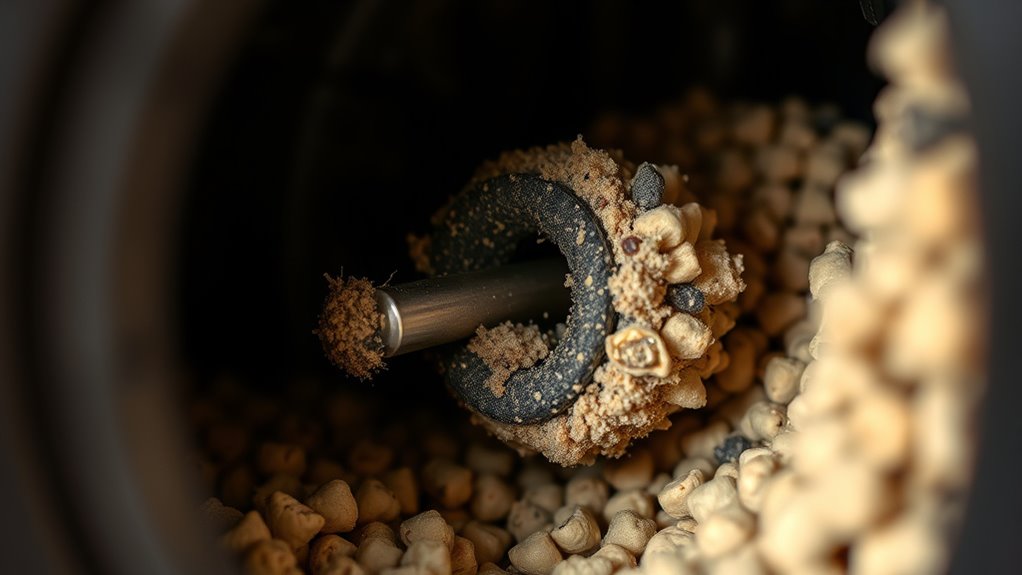
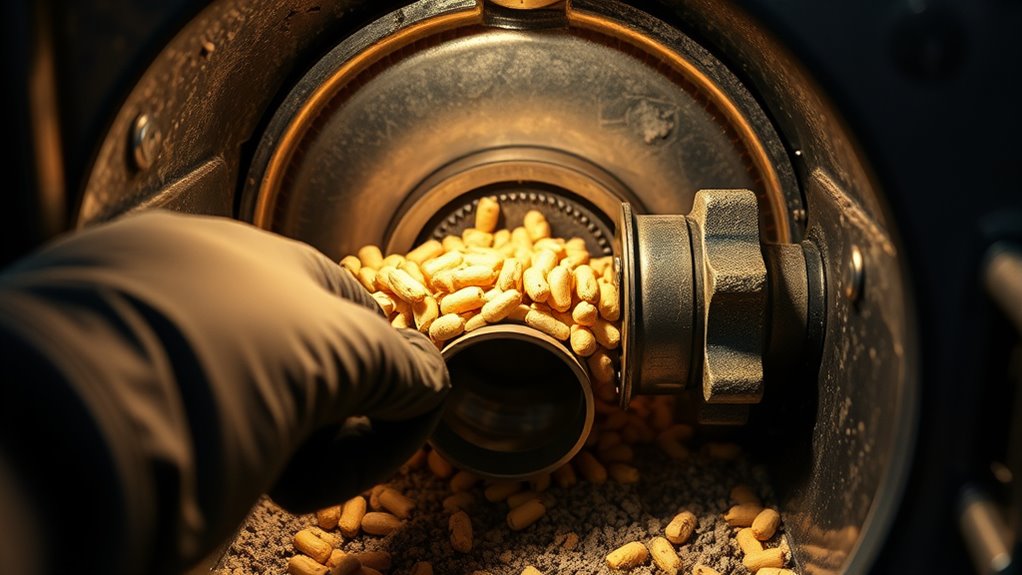
Another key factor that can interfere with pellet feeding is ash buildup. Over time, ash from previous burns accumulates in the burn pot, ash pan, and the pellet feed system. When ash isn’t regularly cleaned out, it can block the auger or restrict pellet flow, preventing pellets from reaching the burn area. To fix this, turn off the stove and carefully clean out all ash deposits from the burn pot, ash pan, and the feed system. Use a brush or vacuum designed for pellet stoves to remove any debris. Pay special attention to the auger and the feed chute, as these are common spots where ash can cause blockages. Regular maintenance and cleaning are vital to keep the system running smoothly and to prevent feeding issues caused by ash buildup. Understanding proper maintenance practices can help prevent these problems from recurring. Additionally, checking the electrical connections of the feed system can identify hidden issues that might be disrupting pellet flow.
In addition to ignition problems and ash buildup, other issues like a malfunctioning auger motor or misaligned feed components can contribute to the problem. Make sure the auger spins freely, and check for any obstructions or damage. Sometimes, adjusting the feed rate or resetting the stove’s control settings can resolve minor glitches. If these steps don’t fix the issue, consulting the stove’s manual or calling a professional technician might be necessary.
Furthermore, seeking advice from regional professionals can provide tailored solutions, especially if you are unfamiliar with the specific model or brand of your stove. Addressing ignition problems and ash buildup promptly can greatly improve your pellet stove’s performance, ensuring it feeds pellets properly and keeps your home warm without interruption. Regular maintenance and attentive troubleshooting are your best tools to keep everything running smoothly.
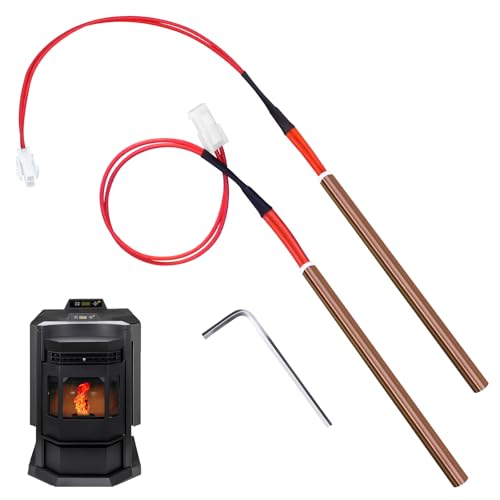
2 Pc Pellet Stove Igniter Fits All Models of Comfortbilt/Castle HP21,HP22
- Package Includes: 2 Pellet Stove Igniters with Hex Wrench
- Compatibility: Fits ComfortBilt and Castle Pellet Stoves
- Model Compatibility: Supports HP21, HP22 series, HP50, HP61, Castle 720307
As an affiliate, we earn on qualifying purchases.
As an affiliate, we earn on qualifying purchases.
Frequently Asked Questions
How Often Should I Clean My Pellet Stove’s Feed System?
You should clean your pellet stove’s feed system at least once a month as part of your maintenance schedule. Regular cleaning removes ash and debris that can cause feeding issues. If you use your stove heavily, consider increasing cleaning frequency to every two weeks. Consistent maintenance guarantees smooth operation and prevents feed blockages, keeping your stove functioning efficiently. Don’t forget to follow the manufacturer’s guidelines for detailed cleaning instructions.
Can Weather Affect My Pellet Stove’s Feeding Mechanism?
Did you know that extreme weather can impact your pellet stove’s feeding mechanism? Cold, humid, or fluctuating temperatures affect how your pellet feed operates, causing jams or inconsistent feeding. Weather impact makes pellets swell or clump together, blocking the feed system. To prevent this, store pellets in a dry, controlled environment and keep your stove’s feed system clean. This guarantees reliable operation regardless of weather conditions.
Is There a Way to Manually Feed Pellets Into the Stove?
Yes, you can manually feed pellets into your stove if the feed mechanism isn’t working properly. Turn off the stove, open the hopper, and carefully pour pellets directly into it. This manual feeding bypasses the feed mechanism temporarily, allowing your stove to operate. Just make certain you don’t overfill and always follow your manufacturer’s instructions to prevent jams or damage. Regular maintenance helps keep your feed mechanism functioning smoothly.
What Brand of Pellets Works Best for Consistent Feeding?
Think of pellet quality like a reliable friend; high-quality pellets from brands like Traeger or Duraflame often feed smoothly because they’re consistent and free of debris. These brands are known for good brand compatibility and minimal jamming. Poor-quality pellets, like unreliable friends, can cause feeding issues. For the best results, choose reputable brands with a reputation for consistent pellet size and low ash content to keep your stove running smoothly.
How Does Altitude Impact Pellet Stove Operation and Feeding?
Altitude effects can impact your pellet stove’s feeding because lower oxygen levels at high altitudes may cause combustion issues and uneven feeding. Additionally, pellet density varies with altitude; thinner air can lead to less efficient burning and clogging. To maintain proper operation, you might need to modify your stove’s feed rate or venting system. Regularly check pellet consistency and ensure your stove is calibrated for your specific altitude to prevent feeding problems.
Conclusion
If your pellet stove refuses to feed, don’t get discouraged. For example, Jane once ignored a clogged auger, which caused feeding issues. After clearing the blockage, her stove ran smoothly again. Regular maintenance, like cleaning the hopper and inspecting the feed system, can prevent such problems. Remember, a little troubleshooting and routine checks go a long way in keeping your stove functioning efficiently. Stay attentive, and you’ll enjoy warm, trouble-free heating all winter.