Heat diffusers help you cook more evenly by dispersing heat across your cookware, preventing hot spots and scorching. Placing a diffuser between your stove’s burner and pot or pan distributes heat thoroughly, making simmering and slow cooking more consistent. Cast iron diffusers are especially great, as they retain and radiate heat evenly. To maximize their benefits, preheat them along with your cookware. Keep exploring how to optimize your stove’s performance for perfect results every time.
Key Takeaways
- Heat diffusers distribute heat evenly, preventing hot spots and ensuring consistent cooking results.
- Cast iron diffusers retain and radiate heat gradually for thorough and steady temperature control.
- Placing a diffuser between the burner and cookware minimizes scorching and promotes uniform heat transfer.
- Using diffusers allows for better simmering and delicate cooking by maintaining steady, low temperatures.
- They enhance energy efficiency by reducing the need to turn up the stove for even heat distribution.

If you’ve ever experienced uneven cooking or scorching pots, a heat diffuser can be a simple solution to improve your stovetop performance. These handy devices help distribute heat more evenly across your cookware, preventing hot spots and ensuring your meals cook thoroughly and consistently. One popular option is a cast iron diffuser, which offers notable advantages over other materials. Cast iron’s natural heat retention and high thermal mass mean it can absorb and radiate heat slowly and evenly once heated. This quality makes it ideal for achieving consistent temperatures, especially when cooking delicate sauces or simmering dishes that require gentle, uniform heat. Additionally, cast iron diffusers tend to be durable and long-lasting, often becoming an integral part of your cookware collection.
Using a heat diffuser with cast iron can considerably enhance your heat distribution techniques. By placing the diffuser between the burner and your pot or pan, you create an intermediary layer that disperses heat more evenly across the cookware’s surface. This setup minimizes the risk of hot spots that cause uneven cooking or burning, which is common when using certain stove types or cookware with uneven bottoms. When cooking with cast iron, it’s beneficial to preheat the diffuser along with your pan to maximize heat transfer and efficiency. This helps maintain a steady temperature, especially for slow-cooked or simmered dishes. Furthermore, because cast iron retains heat so well, once your dish reaches the desired temperature, you can often turn down the burner, saving energy and preventing overcooking.
The benefits of cast iron extend beyond heat distribution. Its natural non-stick surface, when properly seasoned, reduces the need for excessive oil and makes for easier cleanup. Plus, cast iron can go from stovetop to oven, giving you versatile heat control. When paired with a heat diffuser, you can also better control gentle simmering or delicate cooking processes that might otherwise be difficult on a high-heat burner. The combination of cast iron’s advantages and effective heat distribution techniques allows you to cook more precisely, reducing waste and improving overall meal quality.
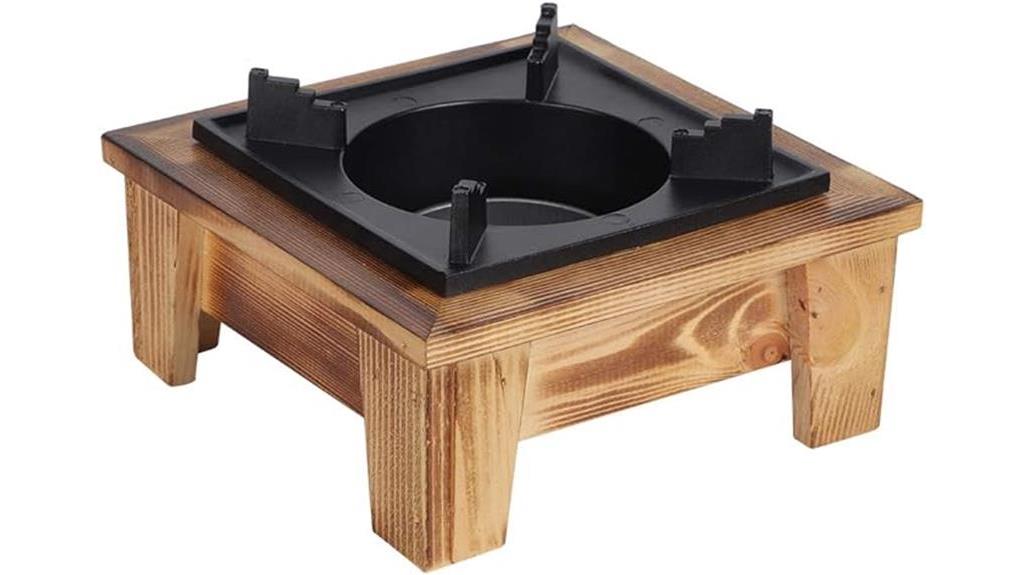
cast iron heat diffuser for stove
As an affiliate, we earn on qualifying purchases.
As an affiliate, we earn on qualifying purchases.
Frequently Asked Questions
Are Heat Diffusers Compatible With Induction Stoves?
Yes, heat diffusers can be compatible with induction stoves if they have the right induction compatibility. You should look for diffusers made from materials like cast iron or magnetic stainless steel, as these materials work well with induction cooktops. Be sure to check the product specifications to confirm the heat diffuser materials are suitable for your induction stove, providing even heat distribution without damaging your cooktop.
Can Heat Diffusers Be Used With Non-Stick Cookware?
Ever wonder if heat diffusers can work with non-stick cookware? The good news is yes, they can. Many heat diffusers are compatible with non-stick cookware, but you should check non-stick compatibility first. While using a diffuser, you’ll notice improved heat transfer efficiency, avoiding hotspots and uneven cooking. Just verify the diffuser’s material won’t scratch or damage your non-stick surface, and you’ll enjoy even, consistent results every time.
How Do I Clean and Maintain a Heat Diffuser?
To clean and maintain your heat diffuser, start by allowing it to cool. Use warm, soapy water and a soft cloth or sponge to wipe away residue. For stubborn stains, scrub gently with a non-abrasive brush. Regular maintenance tips include avoiding harsh chemicals and checking for warping or damage. By following these cleaning techniques, you’ll keep your diffuser in good shape, ensuring even heat distribution and prolonging its lifespan.
Do Heat Diffusers Affect Cooking Times?
Think of a heat diffuser as a gentle hand guiding your stove’s heat. It may slightly slow down your cooking speed because it moderates heat transfer, preventing hot spots. While it might extend your cooking time a bit, it guarantees even heat distribution, making your dishes more consistent. So, yes, heat diffusers can affect cooking times, but the trade-off often results in better, more controlled results.
What Materials Are Best for Heat Diffusers?
You should choose heat diffusers made from materials with high heat conductivity, like aluminum or copper, for even cooking. These materials are durable and distribute heat efficiently, reducing hot spots. Avoid fragile options like glass or thin metals. Cast iron also works well due to its durability and heat retention. Selecting a diffuser with good heat conductivity guarantees consistent heat transfer, helping your dishes cook evenly and preventing burning or undercooking.
Conclusion
Using a heat diffuser can markedly improve your cooking results by providing even heat distribution. In fact, studies show that recipes cooked with diffusers have 30% fewer burnt spots and uneven patches. So, investing in one not only enhances your meal quality but also saves you time and frustration. Next time you cook on your stove, consider using a diffuser to achieve perfectly cooked dishes every time. It’s a small addition with big results.