TL;DR

Get backup power and energy gear delivered free with Prime
- Fast, free delivery on millions of items
- Prime Video, Amazon Music and more included
- Member-only deals all year
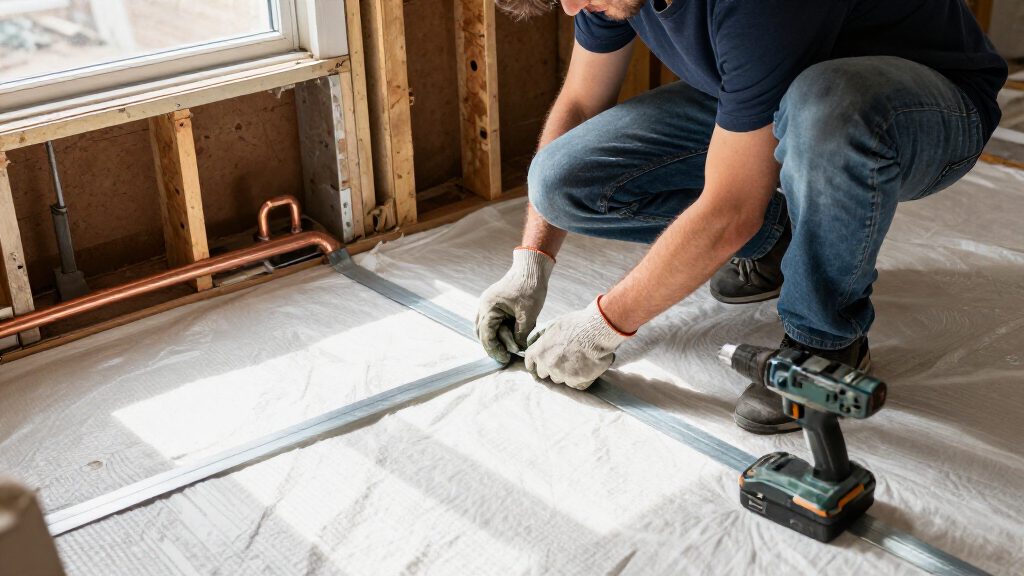
A GreenBuildingAdvisor report highlights three additions to consider during crawlspace encapsulation: permanent lighting, GFCI-protected outlets and a perforated pipe for soil-gas venting. The author says installing the pipe during encapsulation can avoid cutting and resealing the liner later, while radon testing can determine whether a full vent system is needed.
A GreenBuildingAdvisor report recommends adding lighting, GFCI-protected outlets and a soil-gas vent pipe when a crawlspace is encapsulated or conditioned. The upgrades can make later maintenance easier and leave an option for radon mitigation, but the report stresses that lighting and outlets are not necessary in every crawlspace and that radon levels should be tested.
The report’s author describes installing lights and outlets in an L-shaped crawlspace after previously working in a dark, hard-to-reach area. During a 2022 hot-water retrofit, the author had to crawl from the access point to kitchen plumbing and work on the pipes without nearby lighting or an outlet. Permanent fixtures, the author says, would have made that job easier and could reduce the need for workers to carry battery-powered lights and chargers.
The report recommends installing one or more GFCI-protected outlets where workers or equipment may need power. Outlets can serve tool-battery chargers and could also be useful if a dehumidifier is added later. Electrical work should be done in line with applicable codes; the report says a switched light and an outlet near equipment are required by the National Electrical Code in new homes and some renovations, though requirements depend on the project.
Its third recommendation is a perforated soil-gas pipe beneath the liner, installed during encapsulation. That pipe can later connect to a vent routed outdoors and upward if testing shows a radon problem. The author reports that their own pipe was added after the crawlspace had been encapsulated, requiring the liner to be cut and resealed. The report estimates that adding the pipe during the original work should cost no more than a few hundred dollars; lighting and outlets may cost a few hundred to about $1,000, depending on local prices.
Planning for Safer, Easier Crawlspace Work
These additions address different needs: lighting and outlets support repairs, while a soil-gas pipe can make later radon mitigation less disruptive. Crawlspaces may contain plumbing, HVAC equipment or other systems that require access, and workers may need to move tools through confined areas. Better visibility and nearby power can make that work more practical, though the report does not quantify time savings or establish that every home will benefit.
Planning the vent pipe before the liner goes down matters because a later retrofit may require cutting and resealing the encapsulation. A prepared pipe does not, by itself, establish that radon levels are high or that a fan is needed. The report’s approach is to test after encapsulation and install the rest of a vent system if measurements warrant it.
Products Worth Considering

Philips Hue Smart Light Starter Kit with Bridge and 4 White and Color A19 Bulbs

Philips Hue Starter Kit with Bridge Pro and 4 Retrofit LED Recessed Downlights

TCL 43-Inch 4K UHD Smart LED Roku TV (43S435, 2021 Model)
As an affiliate, we earn on qualifying purchases.
Why the Liner and Vent Timing Matter
Encapsulation places a liner over the crawlspace floor and changes how air and soil gases move through the space. The report says radon may still enter the crawlspace after encapsulation, and the crawlspace air is connected to the indoor environment. A home’s radon readings could be acceptable before the work and higher afterward, so the author recommends testing rather than assuming the outcome.
The author says their home’s crawlspace was encapsulated in 2015, while the soil-gas vent pipe was installed later. That experience informs the recommendation to add the under-liner pipe during the original project, even if it is not immediately connected to a complete vent. The report also makes clear that lighting and outlets are not universal requirements: small crawlspaces with little equipment or plumbing may rarely need access. Its cost figures are estimates, not quotes, and will vary by location and project scope.
““Lights in a conditioned crawlspace are a great upgrade.””
— GreenBuildingAdvisor report author
Costs, Codes and Radon Results Vary
The supplied report does not provide a publication date, location-specific contractor pricing or a detailed assessment of which homes need each upgrade. Its cost estimates are broad, and local labor costs and electrical requirements vary. It also does not report radon test results for the author’s home or establish that encapsulation will raise radon levels in every house. Whether a complete vent system or fan is needed depends on testing and the conditions at the property.
Homeowners should confirm electrical work and any permit or code requirements with qualified local professionals. The report is practical guidance, not a project-specific inspection or radon assessment.
Test Radon After Encapsulation
For homeowners planning encapsulation, the report’s sequence is to discuss lighting, outlets and an under-liner soil-gas pipe with the contractor before work begins. After encapsulation, test indoor radon levels. If results are elevated, the pipe can be connected to a vent that runs outdoors and upward; a fan may be added if passive venting does not reduce levels sufficiently. The report gives no schedule for testing or installation, so homeowners should follow current local guidance and consult qualified radon and electrical professionals.
Key Questions
What upgrades does the report recommend?
It recommends permanent lights, GFCI-protected electrical outlets and a perforated soil-gas pipe beneath the crawlspace liner. The first two help with access and maintenance; the pipe can support later radon venting.
Does installing the soil-gas pipe mean a radon fan is required?
No. The report recommends testing radon after encapsulation. If levels are elevated, the pipe can be connected to an outdoor vent; a fan may be added if passive venting is not sufficient.
How much might these additions cost?
The report estimates a few hundred dollars for a soil-gas pipe added during encapsulation, and a few hundred to about $1,000 for lighting and outlets. These are broad estimates, not guaranteed prices.
Does every conditioned crawlspace need lights and outlets?
No. The author says small crawlspaces with little equipment or plumbing may rarely need access. Requirements can also depend on the home, project and applicable electrical code.
Source: greenbuildingadvisor.com